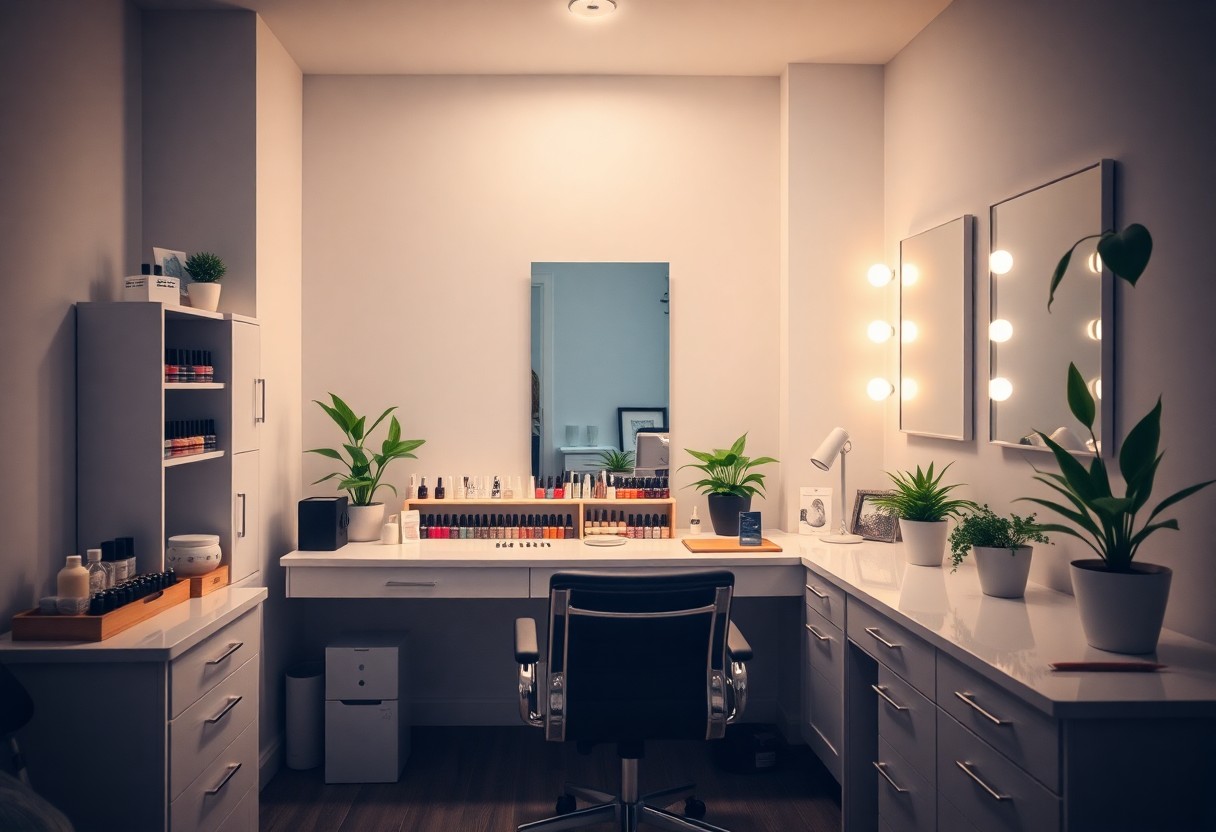
At-Home Nail Care

At-Home Nail Care

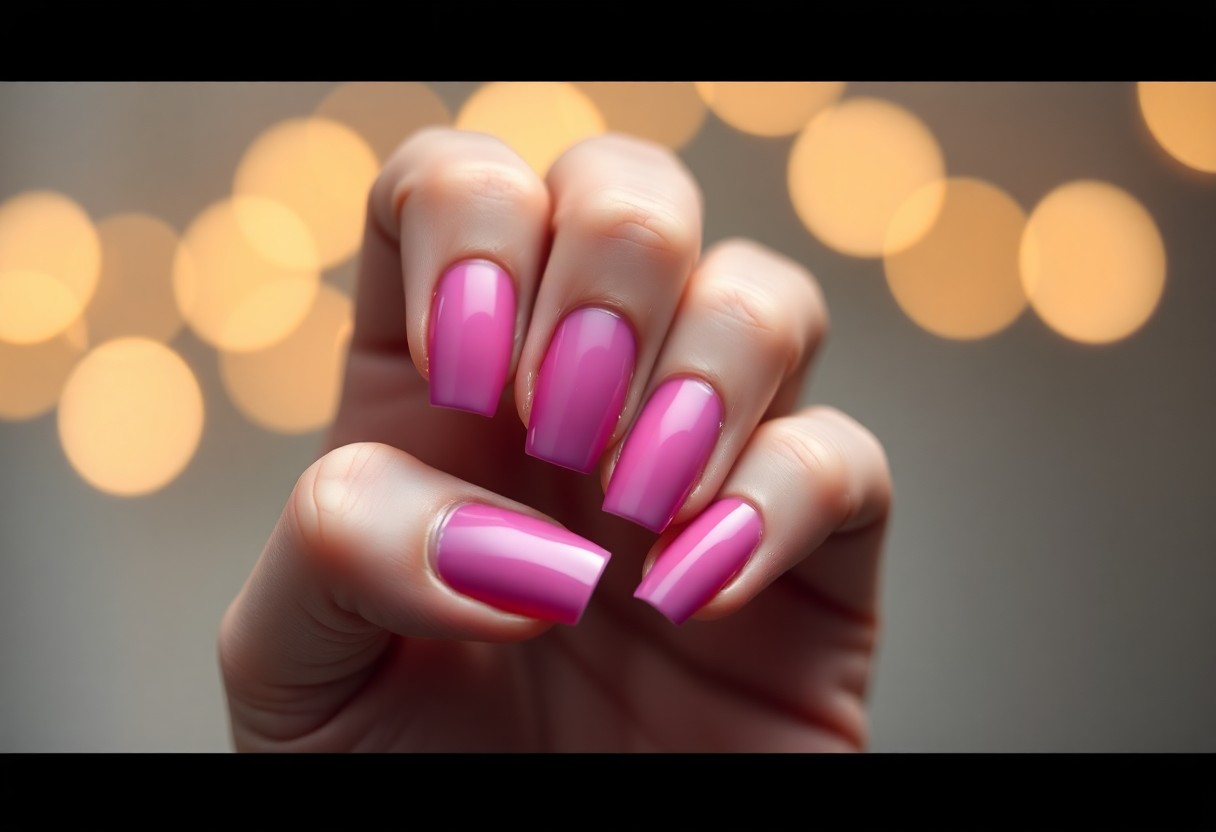
How to Create Ombre Nails at Home

It’s time to elevate your nail game with stunning ombre nails that you can create right at home. This trendy manicure technique allows you to blend colors seamlessly for a chic look that impresses. With a few imperative supplies and the right technique, you can master this art in no time. If you’re looking for a different approach, check out this guide on How-to Easy Ombre Nails (no sponge!). Let’s investigate the step-by-step process!

Key Takeaways:

  • Choose Your Colors: Select two or three nail polish shades that blend well together for a stunning ombre effect.
  • Use a Makeup Sponge: Apply the polishes onto a makeup sponge and dab them onto your nails to create a smooth gradient transition.
  • Finish with Top Coat: Seal your design with a top coat to enhance the shine and ensure lasting durability.

Understanding Ombre Nails

To create stunning ombre nails, it’s important to understand the gradient technique that blends two or more colors seamlessly. Ombre nails showcase a gradient effect, transitioning smoothly between shades, making them a stylish choice for any occasion. Utilizing your favorite color combinations, you can achieve a personalized look that matches your unique style and personality.

What Are Ombre Nails?

Any nail enthusiast knows that ombre nails are all about blending colors to create a beautiful gradient effect. This manicure style stands out by incorporating various shades, typically lighter to darker, allowing for creativity and expression in your nail design. It’s a popular trend that adds depth and dimension to your manicure.

Popular Ombre Techniques

Techniques for creating ombre nails can vary widely, allowing you to choose the method that best suits your skills and preferences. Whether using a sponge, a brush, or even tape, there are several ways to achieve that flawless gradient look. Each technique results in a unique finish, from soft and subtle to striking and bold.

Ombre nails can be achieved through various methods, including sponging, brush blending, and tape application. Sponging is the most popular technique, where you dab colors onto the nail with a makeup sponge for a soft blend. Brush blending involves using a nail brush to mix colors directly on your nails for more control. Tape application creates crisp lines, allowing for geometric designs with a gradient effect. Explore these methods to find the one that suits your style best!

Tools and Materials Needed

Even for a stylish ombre nail design, having the right tools and materials can make all the difference. You will need a few imperative supplies to create your masterpiece at home, including nail polish, sponges, a top coat, and some easy-to-use tools. Make sure to gather everything you need before starting your project to enjoy a seamless and fun experience.

Essential Nail Supplies

Between various brushes, sponges, and nail files, you’ll want to compile your imperative nail supplies. A good-quality base coat and top coat will provide a smooth finish and protect your nails. Additionally, you’ll need a soft sponge for blending and possibly some tape to keep the areas clean as you apply the polish.

Choosing the Right Nail Polishes

Needed for your ombre effect are two or more complementary nail polish colors that blend well together. Having the right shades will help you achieve a stunning gradient from one color to another. Consider colors that harmonize and create a smooth transition.

With so many options available, it is important to select polishes that not only look good together but also have a good consistency. Creamy or semi-opaque formulas work best for blending. Look for shades in the same color family, or choose contrasting colors to make a bold statement. When you’re happy with your selection, you’re one step closer to achieving that fabulous ombre look!
Preparing Your Nails

All great nail art begins with proper preparation. Start by removing any old polish and gently pushing back your cuticles. Next, buff your nails lightly to create a smooth surface, which will allow the polish to adhere better. Finish off by washing your hands thoroughly to eliminate any residue or oils that could interfere with your nail art. This step ensures a clean canvas for your ombre masterpiece.

Nail Care Essentials

Behind every stunning ombre design lies the importance of nail care. Ensure your nails are healthy and well-groomed by moisturizing them regularly and maintaining a good filing routine. Use a cuticle oil to nourish your cuticles and keep them looking fresh. Healthy nails are not only more attractive, but they also provide a better base for your nail art.

Base Coat Application

Against any notion that base coats are optional, applying one is vital for any polish application, especially for ombre nails. A base coat creates a protective layer between your natural nail and the colored polish, preventing staining and providing a smoother application. It also enhances the longevity of your design, ensuring that your beautiful ombre nails last longer without chipping.

Another benefit of using a base coat is its ability to improve the adhesion of the colors in your ombre design. By applying a thin layer of base coat to each nail, you create a primer that helps the polish adhere better, resulting in a more vibrant color payoff. Make sure to let the base coat dry completely before moving on to the next steps in your ombre nail process.

Step-by-Step Ombre Nail Technique

Your journey to beautiful ombre nails begins with gathering the right materials and following these steps:

Materials NeededSteps
Base coatApply a base coat to protect your nails.
Two or more polish colorsChoose your desired colors for the ombre effect.
Makeup spongeUse a sponge for the dry sponge method or a brush for blending.
Top coatSeal your design with a top coat for durability.

Dry Sponge Method

Around this method, you’ll focus on sponging the colors onto your nails for a more textured look. Start by applying one color onto the sponge, then dab it onto your nail, alternating with the second color until you achieve the desired gradient.

Brush Blending Method

Between applying layers, you’ll use a brush to blend the colors smoothly on your nails. This technique allows for a more controlled application and seamless transition between shades, ensuring a polished finish.

Also, for the brush blending method, start with your base color and let it dry completely. Once dry, apply a thin line of your second color close to the cuticle, then take a clean brush and gently blend the colors together using short strokes. This method provides a soft and professional ombre effect while giving you greater control over the gradient.

Finishing Touches

For a polished and professional look, finishing touches are crucial to enhance your ombre nails. Ensuring everything is smudge-free and tidy not only adds to the overall appearance but also makes your manicure last longer. Take your time to perfect these final steps for a stunning outcome.

Top Coat Application

Before applying the top coat, ensure your ombre design is completely dry. A high-quality top coat protects your nails and adds a glossy finish, making the colors stand out even more. Apply it gently to avoid disturbing your artwork, sealing in your hard work and giving your nails a professional shine.

Nail Art and Decals Options

After your top coat dries, consider adding some flair with nail art or decals to personalize your ombre nails further. These additions can provide a unique touch that showcases your style.

Also, you can explore various nail art options, such as using thin brushes for nail art designs or adding glitter for extra sparkle. Decals are another fun way to embellish your nails, letting you choose from floral patterns, geometric shapes, or whimsical themes. These embellishments enable you to create a one-of-a-kind look that reflects your personality and sets your nails apart.

Maintenance and Care

Not taking care of your ombre nails can lead to premature fading and chipping. To maintain their vibrant look, you’ll want to be gentle when performing everyday tasks and regularly moisturize your cuticles and hands. Additionally, avoiding prolonged exposure to water can help preserve your beautiful design, allowing you to enjoy your nails for longer.

Keeping Ombre Nails Fresh

To keep your ombre nails looking fresh, apply a top coat every few days. This protective layer not only adds shine but also helps prevent chips and fading. You may also want to avoid using your nails as tools, and always wear gloves when doing household chores to minimize damage.

Repairing Chipped Ombre Nails

Behind every chipped ombre nail lies a quick fix that won’t compromise your manicure. You can easily repair chips by applying a small amount of polish in the same color as the ombre, blending it carefully with the rest of your design. Finish off with a top coat to restore shine and keep your nails looking fresh.

Ombre nails can be effortlessly repaired by layering a thin coat of polish over the chipped area, ensuring that you feather the edges for a seamless look. If the chip is significant, you might consider adding some glitter or designs over the repair to cleverly disguise any imperfections. This technique not only repairs the chip but can also breathe new life into your ombre nails, allowing you to extend the life of your manicure and look great doing it.

Final Words

Conclusively, creating ombre nails at home is an enjoyable and creative process that allows you to express your unique style. By following the steps outlined, you can achieve a stunning gradient effect using simple tools and techniques. It’s important to practice and experiment with different color combinations to find what suits you best. With patience and a steady hand, your ombre nails will be a beautiful addition to your personal grooming routine.

FAQ

Q: What materials do I need to create ombre nails at home?

A: To create ombre nails at home, you will need the following materials: a base coat, two contrasting nail polishes (one for the base and one for the ombre effect), a makeup sponge, a top coat, and optionally a nail file and cuticle oil for preparation. Additionally, you may want some tape or a liquid latex barrier to protect your skin from excess polish.

Q: How do I prepare my nails before starting the ombre design?

A: Start by removing any old nail polish and washing your hands. Shape your nails with a file and push back your cuticles gently. Apply a base coat to protect your nails and help the polish adhere better. Allow the base coat to dry completely before moving on to the ombre technique.

Q: What is the best technique for blending the nail polishes to achieve an ombre effect?

A: One effective technique is to apply the base color to your entire nail and let it dry. Then, use a makeup sponge to apply the second polish. Dab the sponge in the darker polish and lightly press it onto the tips of your nails, gradually blending it downwards to create a gradient. You can repeat this step to intensify the color until you reach your desired ombre effect.

Q: How can I fix mistakes or messiness around my nails while creating ombre nails?

A: If you get polish on your skin, you can use a small brush dipped in nail polish remover to clean up the edges. Alternatively, you can apply tape or a liquid latex barrier around your nails before starting the ombre process to catch any excess polish. If you didn’t use a barrier, wait until the polish is dry, then carefully clean up around your nails.

Q: What tips can you share for ensuring my ombre nails last longer?

A: To enhance the longevity of your ombre nails, make sure to apply a top coat after the ombre effect has dried. This adds shine and seals the design. Additionally, avoid soaking your hands in water shortly after applying polish and consider using gloves while doing chores. Regular touch-ups with the top coat every few days can also help maintain the appearance of your ombre nails.
How to Do a Professional Manicure at Home

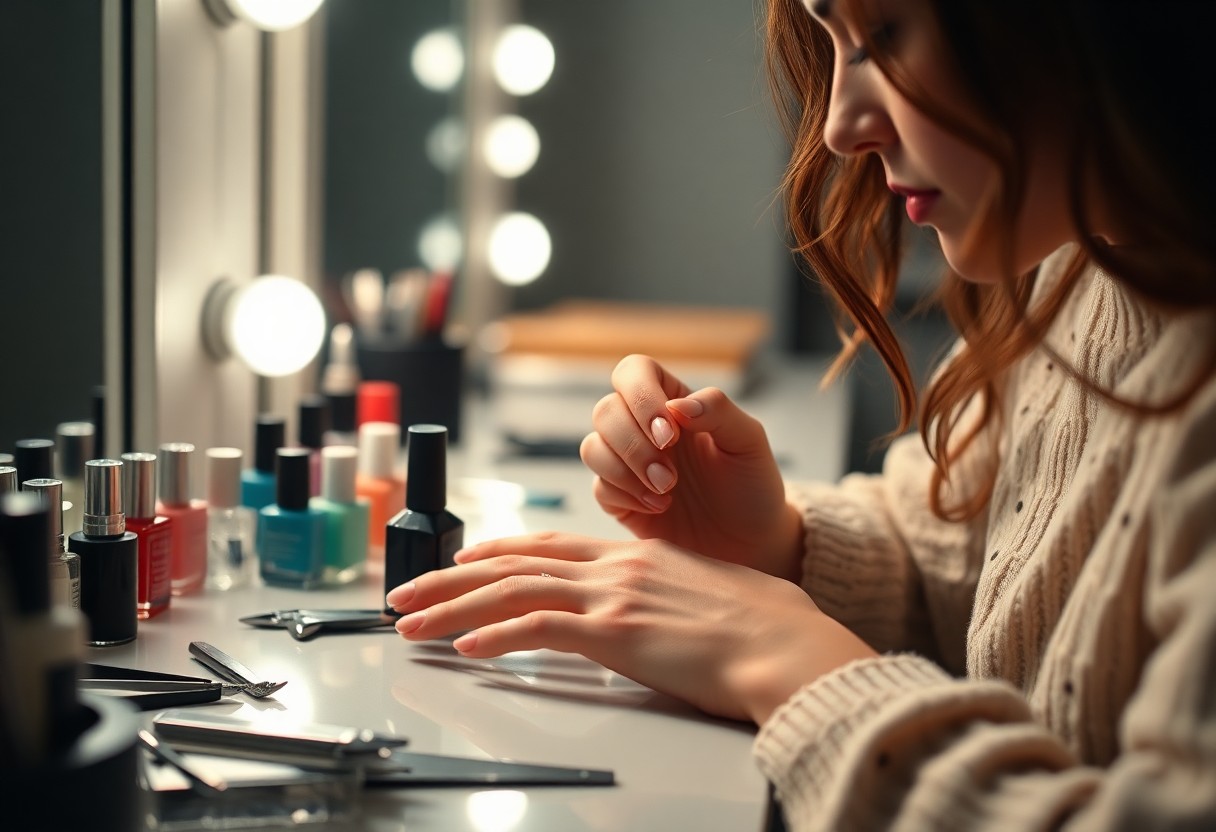
Over time, mastering the art of a professional manicure at home can save you both money and time while ensuring your nails look fabulous. You can achieve salon-quality results without stepping outside your door by following vital steps and utilizing the right tools. In this guide, you’ll discover how to prep, shape, and polish your nails, transforming your grooming routine into a relaxing and rewarding experience. Let’s look into the techniques that will elevate your at-home manicure to a new level of excellence.

Key Takeaways:

  • Preparation: Start with clean, dry hands and remove any previous nail polish. Soak your nails in warm soapy water for a few minutes to soften them before trimming and shaping.
  • Tools: Use high-quality tools such as a nail clipper, file, cuticle pusher, and buffer. Invest in a good base coat and top coat to enhance the polish’s longevity and shine.
  • Application: Apply nail polish in thin, even layers, allowing each coat to dry before applying the next. This helps prevent chipping and ensures a smooth, professional finish.

Essential Tools for a Professional Manicure

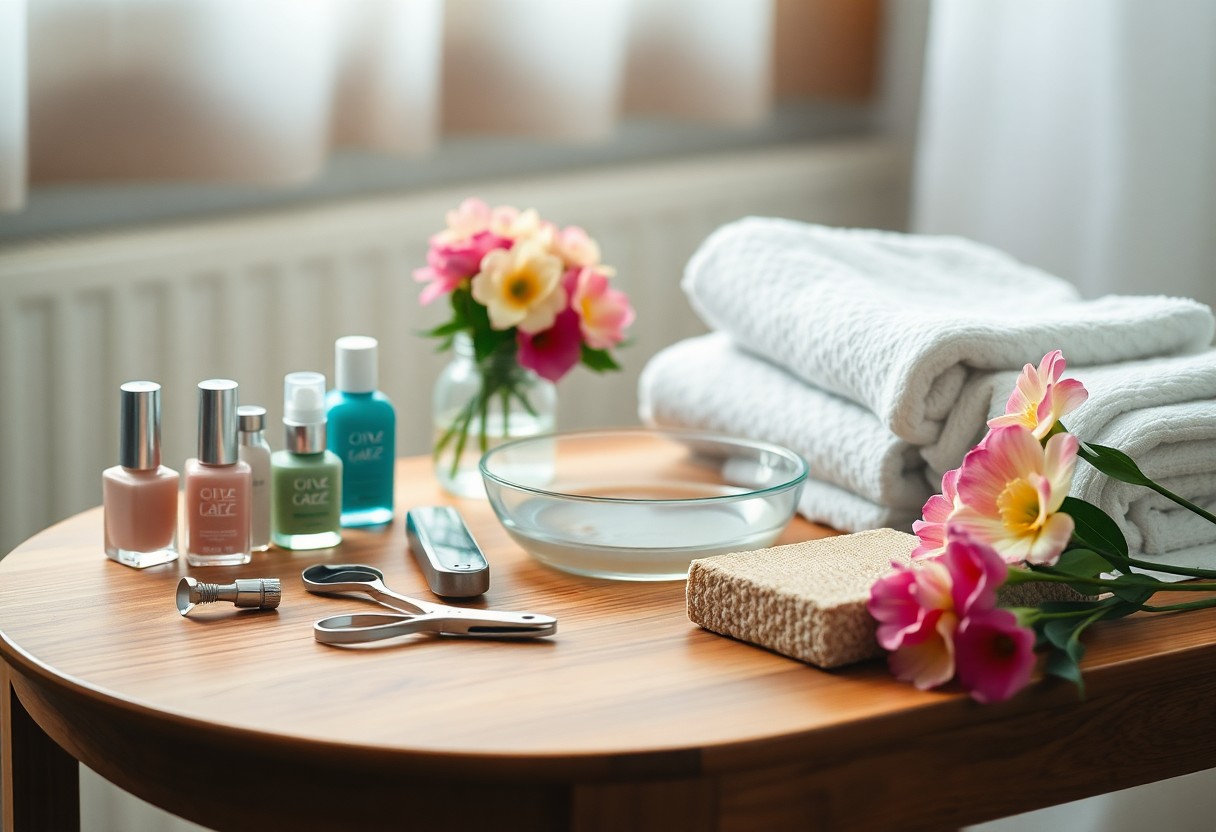
While creating a salon-worthy manicure at home, having the right tools is important. Start with basic items like a nail clipper, nail file, and buffer, along with cuticle pushers and scissors to maintain healthy nails and cuticles. A good-quality base coat, top coat, and nail polish in your favorite shades will complete your manicure. Additionally, consider adding tools like a nail brush and polish remover for efficient cleaning and preparation for your manicure, ensuring that you achieve a flawless finish.

Nail Care Kits

On your journey to achieving beautiful nails, investing in a nail care kit is a smart choice. These kits typically include tools for cutting, shaping, and maintaining your nails, as well as products specifically designed for nail health. With everything organized in one package, you can easily take care of your nails without hunting for individual tools, making your manicure process smoother and more enjoyable.

Nail Polishes and Treatments

On top of maintaining the health of your nails, choosing the right nail polishes and treatments can elevate your home manicure. Opt for high-quality polishes that offer good coverage and longevity, and don’t forget to use a nourishing base coat to protect your natural nails. If your nails are prone to breakage, consider strengthening treatments that can help improve their resilience, ensuring your manicure lasts longer and looks polished.

Manicure products play a significant role in how your nails look and feel. Selecting the right nail treatments can enhance shine, reduce brittleness, and keep your nails healthy. Look for formulas that cater to your specific needs, whether you’re seeking hydration, strengthening, or quick-drying options. With the proper nail care products, you’ll set the stage for a stunning manicure that not only looks great but also promotes long-term nail health.

Preparing Your Nails

Assuming you’re ready to elevate your nail care routine, the first step in achieving a professional manicure at home is properly preparing your nails. This involves a few vital cleaning and grooming tasks that will set the foundation for a flawless finish. Taking the time to prep your nails not only enhances the appearance but also promotes nail health and longevity of your manicure.

Cleaning and Sanitizing

About maintaining hygiene, it’s vital to clean and sanitize your nails and tools before starting your manicure. Wash your hands thoroughly with soap and water, ensuring you clean under your nails and around your cuticles. Additionally, use disinfectant wipes or spray to sanitize any tools you’ll be using, such as clippers, files, and buffers, to maintain a clean workspace and prevent any potential infections.

Removing Old Nail Polish

Among the first tasks in your nail preparation is removing any old nail polish. This step not only helps in achieving a polished look but also ensures that no residue interferes with your new coat. Use a good quality nail polish remover that works swiftly and effectively to minimize damage to your nails.

Another effective way to remove old nail polish is to soak a cotton ball with your remover, then hold it against your nail for a few seconds before swiping it off. This helps to dissolve the polish, making it easier to wipe away. If you’re dealing with stubborn glitter or dark colors, you may need to repeat the process a couple of times. After the polish is removed, be sure to wash your hands to eliminate any leftover remover residue before moving on to the next steps of your manicure.

Shaping and Filing Your Nails

After you have cleaned and softened your nails, it’s time to shape and file them. Start by choosing a shape that complements your fingers and lifestyle. You can opt for square, oval, or almond-shaped nails, depending on your preference. Make sure to choose a high-quality nail file to avoid any damage. With precise movements, gently file your nails to achieve a clean and polished look.

Choosing the Right Shape

Along with considering your personal style, you should take into account the shape of your fingertips and your daily activities. Square shapes offer a modern look, while oval shapes provide a softer appearance. Almond shapes can give your nails an elegant, elongated effect. Think about what you feel most comfortable wearing as you choose your nail shape.

Filing Techniques for Best Results

To achieve the best results when filing your nails, use a gentle motion with your file. Always file in one direction rather than back and forth, as this can prevent splitting and breakage. Start at the outer edge of your nail and work inward, applying light pressure. It’s helpful to hold the file at a slight angle for smoother results.

Even small adjustments in your filing technique can significantly enhance the appearance of your manicure. Ensure that you hold your file steady and don’t rush the process. Using a buffer can help smooth out the edges and add a nice shine to your nails, giving you that salon-quality finish at home. By adopting these techniques, you’ll have nails that not only look great but are also healthier and less prone to damage.

Cuticle Care

Not only does proper cuticle care enhance the overall appearance of your manicure, but it also promotes healthy nail growth. Start by assessing the condition of your cuticles; neglecting them can lead to dryness or hangnails that compromise the beauty of your nails. By addressing your cuticles during your at-home manicure, you can achieve a polished, professional look that rivals any salon service.

Softening Cuticles

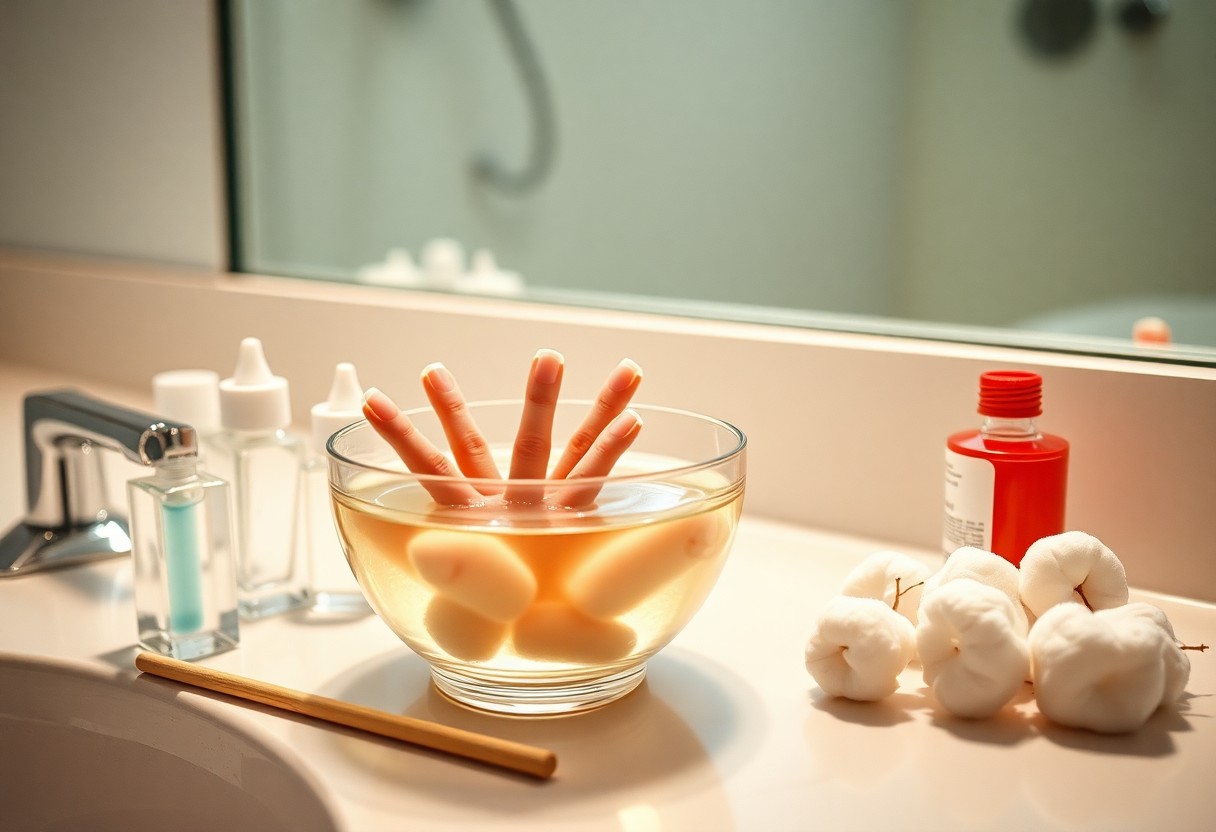
Beside providing a fresh look, softening your cuticles is necessary for a successful manicure. Start by soaking your fingers in warm, soapy water for approximately five to ten minutes. This helps to loosen any dead skin and makes the cuticles easier to manage. You can enhance this step by using a cuticle oil or cream for added moisture and nourishment.

Trimming and Pushing Back Cuticles

Above all, trimming and pushing back your cuticles is an important step in achieving beautifully manicured nails. After softening, gently push back your cuticles using a cuticle pusher, taking care not to apply too much pressure, as this can damage the nail bed.

Trimming excess cuticle can help maintain a neat appearance, but be sure to only remove what is necessary. Use a sterile cuticle nipper to snip away any dead skin. By pushing back the cuticles, you reveal more of your nail bed, contributing to the illusion of longer, more elegant nails. Always ensure that your tools are clean to avoid infections and maintain the health of your nails.

Applying Polish Like a Pro

Unlike the hasty application often seen in salons, a professional-looking manicure at home requires patience and precision. Begin by selecting high-quality nail polish to ensure a long-lasting finish. Apply in thin layers, allowing each layer to dry completely before the next, and don’t forget to cap your nail tips for a flawless look. Your attention to detail will give your nails that salon-fresh appearance.

Base Coat Application

To start your manicure off right, apply a base coat to protect your nails from staining and enhance the longevity of your polish. Use a brush to evenly coat each nail, starting from the base and sweeping up to the tips. This foundational step not only prevents colors from bleeding but also creates a smooth surface for the polish to adhere to.

Techniques for Smooth Polish Application

Smooth application is key to a professional-looking manicure. Using the right technique can make all the difference in achieving an even finish.

Even pressure is important when applying polish; this helps avoid streaks and bubbles. Start with a small amount of polish on your brush and begin at the center of the nail. Use a three-stroke method: one stroke down the middle and one on each side to evenly distribute the polish. If necessary, add more polish for coverage, but always avoid overloading the brush to maintain control and precision.

Finishing Touches

For the best results in your at-home manicure, pay attention to the finishing touches. A great way to ensure a professional look is to follow 10 Steps for a DIY Manicure that highlight all important components of a flawless finish.

Top Coat for a Flawless Finish

Against common perception, a top coat isn’t just for aesthetics; it also adds durability to your manicure. Apply a high-quality top coat to seal in your color and give your nails a professional shine.

Nail Care Maintenance Tips

To maintain your gorgeous manicure, follow these simple nail care tips:

  • Moisturize your hands regularly to keep the skin and nails hydrated.
  • Avoid using your nails as tools to prevent breakage.
  • Limit exposure to harsh chemicals and detergents.

Knowing how to care for your manicure will extend its lifespan and keep your nails looking fresh. Hence, consistent maintenance is key to nail health:

  • Keep cuticles soft with oil or cream to avoid hangnails.
  • Regularly file your nails to prevent splits and tears.
  • Consider using nail strengtheners if your nails are prone to breaking.

Knowing these tips allows you to maintain that polished DIY look effectively and enjoy beautiful nails for longer periods.

Summing up

Hence, by following these vital steps for a professional manicure at home, you can effectively achieve beautiful, well-groomed nails. Begin by preparing your nails and cuticles, file and buff them to your desired shape, apply polish carefully, and finish with a top coat for longevity. Be mindful of hygiene and keep your tools clean. With practice, your at-home manicure skills will improve, enabling you to maintain healthy, stunning nails without the need for salon visits.

FAQ

Q: What supplies do I need for a professional manicure at home?

A: To achieve a salon-quality manicure at home, you’ll need several key supplies. Gather nail clippers, a nail file, a buffer, cuticle remover, a cuticle pusher, hand lotion, base coat, nail polish, and top coat. Optionally, you may want a nail strengthener, nail art tools, and a bowl of warm water for soaking your hands.

Q: How should I prepare my nails before painting them?

A: Start by removing any old nail polish using a gentle remover. Next, wash your hands to remove dirt and oils. You can soak your nails in warm, soapy water for a few minutes to soften the cuticles, making them easier to manage. After soaking, gently push back your cuticles with a cuticle pusher, trim any excess skin carefully, and buff the nail surface lightly to ensure a smooth base for polish application.

Q: What technique should I use to apply nail polish evenly?

A: To apply nail polish evenly, first apply a thin coat of base coat to protect your nails. When painting the color, start by dipping your brush into the polish and wiping off the excess. Apply the polish in three strokes: one down the center and one on each side. This minimizes streaks and helps distribute the polish evenly. Allow each coat to dry before applying additional layers, and finish with a top coat for shine and protection.

Q: How can I prevent my manicure from chipping?

A: To prolong the life of your manicure and minimize chipping, apply a quality base coat before the nail polish and finish with a durable top coat. Additionally, avoid using your nails as tools, and try to keep your hands away from water for prolonged periods, as moisture can weaken the polish. Regularly reapply the top coat every few days to maintain shine and protection.

Q: What aftercare should I follow post-manicure?

A: After completing your manicure, hydrate your hands and nails with a nourishing lotion or cuticle oil to keep them moisturized. Avoid exposing your hands to harsh chemicals or excessive water right after your manicure to ensure that the polish sets properly. Additionally, try to wear gloves during household chores to protect your manicure and maintain its longevity.

Step-by-Step Guide to At-Home Pedicures

Over time, pampering your feet at home can be a rewarding experience that saves you money and provides a spa-like feel. You can achieve beautiful, well-groomed feet by following this comprehensive step-by-step guide. From preparing your tools to the final polish, you’ll discover everything you need to know to give yourself the perfect pedicure. No experience is required; just gather your supplies and set aside some time to focus on your self-care. Get ready to elevate your at-home pedicure game!

Key Takeaways:

  • Preparation: Gather all necessary tools and products, including nail clippers, a foot file, and moisturizing lotion, to create an efficient and enjoyable pedicure experience.
  • Soaking: Soak your feet in warm water with Epsom salt or necessary oils to soften skin and prepare for exfoliation, ensuring a smoother result.
  • Finishing Touches: Complete your pedicure by applying a base coat, nail polish, and top coat for long-lasting effects, and don’t forget to moisturize your feet afterward.

Essential Tools for Your At-Home Pedicure

Before you begin your at-home pedicure, it’s important to gather all the necessary tools. Having the right items on hand not only makes the process smoother but also ensures that you achieve salon-quality results. Make sure you have a foot soak, a foot file, nail clippers, a buffer, and your favorite nail polish. Don’t forget to include a moisturizer and towels to ensure you have everything you need for a relaxing experience.

Nail Care Essentials

Along with your foot care tools, you’ll also need some nail care necessarys. Start with quality nail clippers to trim your nails effectively, followed by a file to shape them. A buffer will give your nails a healthy shine, while cuticle pushers and nippers will help keep your cuticles neat and tidy. These tools will provide a solid foundation for your pedicure and promote healthy nail growth.

Treatment Products

AtHome, selecting the right treatment products can enhance your pedicure experience significantly. Incorporate foot scrubs, exfoliators, and deep moisturizers into your routine to target specific needs, such as calluses or dry skin.

Considering the state of your feet is necessary when choosing treatment products. If you suffer from dry or cracked heels, opt for a rich foot cream, while exfoliating scrubs can remove dead skin and reveal soft, smooth feet. Additionally, using a soothing foot mask can provide extra hydration, making your pedicure not just a cosmetic treatment but also a nourishing experience.

Preparing Your Feet

Assuming you want to give yourself a beautiful pedicure, the first step is preparing your feet. Proper preparation sets the foundation for a successful at-home pedicure. Start by gathering all necessary supplies and find a comfortable spot to sit. You can find expert advice on How to Give Yourself a Professional Pedicure at Home, which can enhance your pedicure experience. A little effort in preparation will go a long way in delivering salon-worthy results.

Soaking Techniques

Before getting started with your pedicure, soak your feet in warm, soapy water for about 10-15 minutes. This not only relaxes your muscles but also helps to soften the skin. You may add Epsom salts, imperative oils, or foot soak solutions for added benefits. Ensure you have a comfortable basin that can hold enough water, and enjoy this soothing step to prepare your feet for the next stages of your pedicure.

Exfoliating for Smooth Skin

Between soaking and continuing with your pedicure, exfoliation is vital for smooth skin. Use a pumice stone or foot scrub to gently buff away dead skin on your heels and soles. Concentrate on areas that tend to be rough and dry to ensure all surfaces are soft and even. Exfoliation not only enhances the appearance of your feet, but it also helps to prevent calluses from developing.

Due to the wear and tear your feet endure, it is imperative to incorporate regular exfoliation into your pedicure routine. By consistently removing dead skin, you promote better circulation and skin renewal. Consider using a foot scrub with natural ingredients like sugar or salt, combined with moisturizing oils, for a nourishing experience. This will leave your feet looking fresh and feeling rejuvenated, setting you up for a great manicure afterward.

Nail Care Process

Despite the common assumption that nail care isn’t important, taking the time to pamper your nails can significantly enhance your pedicure experience. A good nail care routine not only improves the appearance of your nails but also contributes to their overall health. Understanding how to trim, shape, and care for your cuticles will lay a solid foundation for beautiful at-home pedicures.

Trimming and Shaping Nails

Along with giving your feet a polished look, trimming and shaping your nails helps to prevent hangnails and other nail problems. Use nail clippers to cut your nails straight across and avoid cutting too short. Then, shape your nails by gently filing the edges for a smooth finish. This will help to create an appealing appearance and promote healthier nail growth.

Cuticle Care

Against the backdrop of your nail care routine, paying attention to your cuticles is important for maintaining nail health and appearance. The cuticles serve to protect the nail bed from infections, but they can become dry and ragged without proper care.

This care process involves softening the cuticles by soaking your feet in warm, soapy water for 5-10 minutes. After soaking, use a cuticle pusher or orangewood stick to gently push back the cuticles without applying excessive force. For a polished finish, apply cuticle oil to keep them hydrated and healthy. Regular maintenance of your cuticles not only ensures a neat look but also contributes to the overall strength of your nails.

Moisturizing and Massage

Many people underestimate the importance of moisturizing and massaging your feet as part of your at-home pedicure. After soaking and exfoliating, it’s vital to apply a high-quality foot cream or lotion to lock in moisture and nourish your skin. Follow this with a gentle foot massage, which helps relax your muscles, improves circulation, and enhances the overall beauty of your feet.

Best Products for Hydration

Against dry and cracked skin, choosing the right products can transform your feet. Look for creams that contain ingredients like shea butter, coconut oil, or glycerin, as these deeply hydrate and protect your skin from harsh elements. Consider applying a thick overnight foot mask for an extra boost of moisture.

Techniques for Foot Massage

An effective foot massage doesn’t require any special tools or techniques—just your hands and some patience. Start by applying pressure to the soles of your feet using your thumbs, moving in circular motions to relieve tension. You can also squeeze and knead each toe gently, which not only feels delightful but can improve blood flow.

And don’t forget to focus on the arch of your foot, as it often holds a lot of tension. You can use your knuckles to apply deeper pressure, or even roll a tennis ball under your foot for a wonderful release. Encouraging relaxation in your feet can positively impact your entire body, leaving you feeling rejuvenated.

Nail Polish Application

Once again, this part of the pedicure is where you can express your creativity and style. Start by ensuring your nails are completely dry and free of any oils or residue. Apply a base coat to protect your nails and enhance the longevity of your polish. Follow with thin layers of your chosen nail polish, allowing each layer to dry before applying the next, and finish with a top coat for a glossy and durable finish.

Choosing the Right Colors

An array of colors awaits you when selecting nail polish for your at-home pedicure. Consider seasonal shades, your personal style, and the occasion for which you are prepping your toes. Whether opting for vibrant hues or subtle pastels, choose colors that make you feel confident and match your overall look.

Step-by-Step Application Tips

Step by step, securing a flawless nail polish application involves precision and care. Follow these tips to ensure a perfect finish:

  • Buff your nails to a smooth surface.
  • Apply a thin base coat to prevent staining.
  • Use three strokes for even color application.
  • Seal with a top coat for shine and longevity.
  • Clean up edges with polish remover if necessary.

The effort you put into your nail polish application will greatly enhance the look of your pedicure.

Step-by-Step Application Tips

TipDescription
BuffingPreparation ensures a smooth base for polish.
Thin LayersThin layers help in achieving a streak-free finish.
Drying TimeBe patient and let each layer dry completely.
CleanupUse a brush or Q-tip dipped in remover for cleanup.

Application is key to achieving those salon-quality results at home. Start with a clean slate, and as you apply, keep the brush strokes consistent and even. It’s all about maintaining a steady hand and a keen eye for detail.

  • Apply polish using a steady hand.
  • Work from the center of the nail outwards.
  • Avoid overloading the brush with polish.
  • Finish with a generous coat of top coat.
  • Allow ample time for drying to avoid smudges.

The application process can feel tedious, but it makes all the difference in the final result!

Application Steps

StepAction
1Start with clean, dry, and buffed nails.
2Apply a base coat for protection.
3Use your chosen color for natural coverage.
4Seal with a top coat for extra shine.

Aftercare and Maintenance

Now that you’ve perfected your at-home pedicure, proper aftercare is important to maintain the health and longevity of your feet. Keep your toenails trimmed and moisturized to prevent dryness and cracking. Opt for breathable footwear to avoid fungal infections, and consider using a foot mask or scrub weekly for added hydration. Regularly check your feet for any changes or concerns, as early detection can prevent more significant issues down the line.

Keeping Your Feet Healthy

Above all, maintaining healthy feet goes beyond just aesthetics. Daily cleanliness, proper hydration, and the right footwear are key components in keeping your feet in great condition. Incorporate foot exercises to improve circulation and flexibility, and don’t hesitate to seek professional help for any persistent issues. With a little care, your feet will thank you.

Frequency of At-Home Pedicures

To ensure your feet look and feel their best, aim for at-home pedicures every 2 to 4 weeks, depending on your nail growth and lifestyle. Frequent maintenance will help you stay on top of any rough spots or calluses, keeping your feet smooth and healthy. You can always adjust the frequency based on seasonal changes or special occasions when you want your feet to shine.

Even if you choose to do your pedicures every month, consider giving your feet a little extra attention when the weather changes or when you’ve been more active. If you spend a lot of time outdoors or in open-toe shoes, bi-weekly sessions might be beneficial. Listen to your body and adjust your routine to fit your needs, ensuring that you always put your best foot forward.

Final Words

With these considerations in mind, you can elevate your at-home pedicure experience to a professional level. By following the step-by-step guide provided, you ensure that your feet are not only aesthetically pleasing but also receive the care they deserve. Investing time in your self-care routine can enhance your well-being and boost your confidence. So grab your tools, relax, and enjoy the pampering process as you give your feet the attention they need and deserve.

FAQ

Q: What supplies do I need for an at-home pedicure?

A: To perform an at-home pedicure, you’ll need a few important supplies. Gather a foot soak, nail clippers, a nail file, cuticle remover, a pumice stone or foot file, moisturizing lotion, nail polish (if desired), and a clean towel. Optional items include a foot scrub and a foot mask for additional pampering.

Q: How do I properly soak my feet before a pedicure?

A: Soaking your feet is an important step that softens the skin and prepares your nails for grooming. Fill a basin or tub with warm water and add Epsom salts, important oils, or a foot soak solution for relaxation and cleansing. Soak your feet for about 10-15 minutes, ensuring the water is comfortable and not too hot.

Q: What is the best way to treat calluses during a pedicure?

A: After soaking your feet, gently scrub callused areas using a pumice stone or a foot file. Focus on the heels and balls of the feet where calluses typically build up. Be sure to avoid over-scrubbing, which can lead to irritation. After exfoliating, apply a rich moisturizer to keep the skin soft and hydrated.

Q: How can I keep my nail polish from chipping?

A: To increase the longevity of your nail polish, start by applying a base coat to create a smooth surface and protect your nails from staining. After applying the color, follow up with a top coat to seal it in and add shine. Allow each layer to dry thoroughly before applying the next. Additionally, try to avoid exposing your nails to excessive water or harsh chemicals immediately after your pedicure.

Q: How often should I perform at-home pedicures?

A: The frequency of at-home pedicures can vary depending on your personal preference and foot condition, but generally, a monthly routine is suitable for most people. However, if you have dry skin or build-up, you might consider doing a pedicure every two weeks. Adjusting your schedule based on your needs and lifestyle will ensure that your feet remain healthy and well-maintained.

How to Safely Remove Acrylic Nails at Home

It’s crucial to know the right techniques for safely removing acrylic nails at home to avoid damaging your natural nails. With the right tools and careful steps, you can ensure that your nails stay healthy while eliminating those artificial extensions. This guide will walk you through the process, providing you with the knowledge and confidence to perform the task effectively without needing professional help. Get ready to reclaim your natural nails with these straightforward tips!

Key Takeaways:

  • Soaking Method: Use acetone or a nail polish remover containing acetone to soak your acrylic nails. This helps to break down the adhesive, making it easier to remove the nails without damage.
  • Gentle Scraping: After soaking, gently scrape off the acrylic using a wooden cuticle stick. Avoid using metal tools to prevent harming your natural nails.
  • Aftercare: Moisten your nails and cuticles with oil or lotion post-removal to nourish and restore hydration to your nails and skin.

Understanding Acrylic Nails

The acrylic nails trend continues to be popular due to their versatility and ability to enhance the beauty of your hands. These artificial nails are created by combining a liquid monomer and a powder polymer, forming a durable coating over your natural nails. This process allows for various shapes and lengths, catering to your personal style. However, while acrylic nails can be fabulous, there are times when removal becomes necessary for the health and well-being of your natural nails.

What Are Acrylic Nails?

The acrylic nails are synthetic enhancements that offer a polished appearance and can be customized to suit your aesthetic preferences. They are crafted by mixing a liquid and powder to form a hard protective layer over your natural nails. This method not only adds length but also strength, allowing your nails to withstand daily activities without breaking easily. With various colors and designs available, acrylic nails can be tailored to match your style.

Common Reasons for Removal

Below are some common reasons why you may consider removing your acrylic nails. Changes in personal style, natural nail growth, and damage to the acrylic or your underlying nail are just a few reasons. Feeling discomfort or noticing signs of lifting can also prompt you to seek removal. Maintaining the health of your natural nails is important, as excessive wear and tear can lead to further issues.

Reasons for removing acrylic nails can vary based on personal preference and nail health. You may decide to remove them if your nails have grown out significantly, as this can create an undesirable gap between your cuticle and the acrylic. Moreover, if you experience any discomfort or if the acrylic nails are at risk of breaking, it’s best to have them removed. Additionally, you might wish to switch from acrylics to a more natural nail approach or alter your nail look for a special occasion. Keeping an eye on the condition of your natural nails is necessary to ensure they remain healthy and strong.

Preparing for the Removal Process

You should take some time to prepare before attempting to remove your acrylic nails at home. This means gathering all the necessary tools and choosing a suitable environment where you can work efficiently, ensuring that you are comfortable and free from distractions. Proper preparation will not only make the process easier but will also help protect your natural nails and surrounding skin during removal.

Tools and Materials Needed

Needed for the removal process are acetone, cotton balls or pads, aluminum foil, a nail file, a wooden cuticle stick, and a bowl. Having a good pair of scissors on hand can also be useful for trimming the acrylic nails if they are particularly long. Ensure that all your tools are clean and ready to use to promote safety and hygiene.

Choosing the Right Environment

Above all, you’ll want to select a clean and well-ventilated space for removing your acrylic nails. Ideally, this should be a table where you can lay out all your tools and materials. Having good lighting will help you see what you’re doing, while a surface that is easy to clean will make cleanup after the process simpler. Avoiding damp or cluttered places will help you maintain focus and protect your belongings from any accidental spills.

At the same time, ensure that your chosen environment is free from distractions. Consider playing soothing music or keeping your phone out of reach to help you focus on the task at hand. A calm atmosphere can make the process more pleasant and allow you to execute each step with care, ultimately leading to a more successful removal of your acrylic nails.

Step-by-Step Removal Process

Once again, it’s important to follow a cautious approach when removing acrylic nails at home. Below is a structured guide to help you through the process effectively.

Step-by-Step Guide

Step 1Gather supplies: acetone, cotton balls, aluminum foil, a nail file, and a cuticle pusher.
Step 2File the top layer of the acrylic nails to break the seal.
Step 3Soak cotton balls in acetone and place them on your nails.
Step 4Wrap your fingertips with aluminum foil to hold the cotton balls in place.
Step 5Leave on for 15-30 minutes, then gently scrape off the softened acrylic.
Step 6Clean your nails and moisturize your hands.

Soaking Method

About 75% of the time, the soaking method is the preferred approach for removing acrylic nails. This method involves immersing your fingertips in acetone to dissolve the acrylic material gently. It’s a simple and effective way to tackle the adhesive without damaging your natural nails.

Nail File Method

An alternative to soaking, the nail file method can be used for quicker removal. This technique allows you to file away the acrylic layers gradually, although it requires more caution to avoid harming your natural nail beneath.

Step by step, to utilize the nail file method, start by filing the surface of the acrylic to reduce thickness. Be sure to use a coarse nail file to penetrate the layers without applying excessive pressure. Once you notice the acrylic getting weaker, carefully work your way down to the natural nail, taking breaks as needed to avoid damaging your nail bed. This method might take longer, but it lets you maintain better control throughout the removal process.

Aftercare for Your Natural Nails

To ensure the health of your natural nails post acrylic removal, it’s crucial to incorporate specific aftercare practices. Focus on nourishing and protecting your nails to promote healing and regain their strength. Maintaining a consistent regimen will help you achieve healthier, more resilient nails over time.

Moisturizing and Hydrating

Below are several ways to keep your nails and cuticles well-hydrated. Apply a high-quality cuticle oil or moisturizing cream regularly to help replenish moisture stripped away during the acrylic application and removal process. This will keep your nails flexible and prevent breakage.

Strengthening Treatments

An effective way to enhance your nail health is through strengthening treatments. Look for products specifically designed to fortify and promote growth, such as nail strengtheners and growth serums. These can provide your nails with the nutrients they need to recover quickly.

This approach often involves using formulas rich in proteins, vitamins, and crucial oils aimed at repairing any damage caused during acrylic wear. You might also consider biotin supplements to promote healthy nail growth from within. Regular use of strengthening treatments will help your nails regain their strength and resilience, ensuring they look their best in no time.

Common Mistakes to Avoid

All too often, people make avoidable mistakes while attempting to remove acrylic nails. It’s necessary to be mindful of your approach to ensure you don’t damage your natural nails or cause undue pain. Taking the right steps will lead to a more successful and safer removal process.

Rushing the Removal

Behind the urge to free yourself from acrylic nails, rushing the removal process can lead to painful consequences, including damaged nails and skin. Take your time and allow the necessary products to work effectively before moving onto the next step.

Using Harsh Chemicals

At times, damaging chemicals might seem like a quick solution for removing acrylic nails. However, using these substances can have adverse effects on your nails and skin, leading to irritation or long-term damage.

And it’s best to opt for acetone, which is widely recommended for gentle acrylic nail removal. While it effectively breaks down the acrylic material, ensure you use a pure form and avoid any products containing unnecessary additives or harsh chemicals. By sticking to safer options, you not only protect your natural nails but also maintain the health of your skin around them.

Frequently Asked Questions

Unlike what some might believe, safely removing acrylic nails at home can be straightforward with the right techniques. Many people have questions regarding the process, tools needed, and potential risks. If you’re unsure about how to start, you can find helpful guidance on how to safely remove acrylic nails at home. It’s important to approach this task carefully to maintain the health of your natural nails while ensuring a smooth removal process.

Conclusion

With this in mind, you can safely remove your acrylic nails at home by following the appropriate steps. Ensure you gather the necessary materials, soak your nails properly, and avoid aggressive methods that could damage your natural nails. By taking your time and being gentle, you can successfully remove the acrylics while maintaining the health of your nails. If you encounter any issues, don’t hesitate to consult a professional for assistance.

FAQ

Q: How can I safely remove acrylic nails at home?

A: To safely remove acrylic nails at home, start by gathering your supplies: nail file, cotton balls, acetone, foil, and a cuticle pusher. First, file the top layer of the acrylic to break the seal. Soak a cotton ball in acetone and place it on each nail, then wrap it in foil to keep the heat in. Leave it on for about 30 minutes. Once soft, gently push the acrylic off your nail using the cuticle pusher. If there’s any resistance, re-soak and wait a little longer.

Q: Is it safe to use regular nail polish remover instead of acetone?

A: Regular nail polish remover typically contains acetone but at a lower concentration. While it may work for some, it can take much longer to dissolve acrylic nails, and may not remove them completely. For the best results and faster removal, it’s advisable to use 100% acetone, which is specifically designed for dissolving acrylics.

Q: How do I prevent damage to my natural nails during the removal process?

A: To protect your natural nails, it’s important to avoid pulling or prying off the acrylic. Always follow the soaking method, as this minimizes trauma to your nails. Additionally, consider applying cuticle oil or a strengthening treatment to your nails and cuticles after the removal to help replenish moisture and encourage recovery.

Q: What should I do if the acrylic nails are not coming off easily?

A: If the acrylics are resistant to removal, do not force them off as this can cause damage to your natural nails. Instead, re-soak them by applying more acetone and wrapping the nails in foil again. If necessary, give them an extra 10 to 15 minutes to break down further. Patience is key to a safe removal process.

Q: What aftercare should I perform once the acrylic nails are removed?

A: After removing acrylic nails, it’s vital to care for your natural nails. Start by gently buffing the surface to smooth out any ridges. Consider applying a moisturizing hand cream and cuticle oil to nourish your nails and skin. Additionally, allowing some time for your natural nails to breathe before applying new enhancements is a good practice to ensure their health.

Tips for Setting Up a Home Nail Studio

You can transform a corner of your home into a stylish and functional nail studio that meets your creativity and business needs. Whether you’re a budding nail artist or a seasoned professional, a well-organized space can enhance your work and client experience. This guide will provide you with vital tips on choosing the right location, selecting the best tools, and creating an inviting atmosphere, ensuring that your home nail studio becomes a thriving hub of beauty and relaxation.

Key Takeaways:

  • Space Utilization: Optimize your available space by choosing a dedicated area with sufficient room for your tools and clients.
  • Lighting: Ensure proper lighting to create a welcoming atmosphere and to better see details while working on nails.
  • Hygiene Standards: Maintain high hygiene standards by investing in quality sanitizing tools and organizing your equipment to prevent cross-contamination.

Choosing the Right Space

Your choice of space for your home nail studio can significantly impact your productivity and client experience. Ideally, you should select a quiet area free from distractions and strong odors. Aim for a location that allows privacy for your clients while also being accessible. For more insight into creating a functional workspace, check out How To Start a Nail Salon Business at Home: 9 Practical Tips.

Light and Ventilation

Right lighting and ventilation are vital for your home nail studio. Natural light is ideal, as it gives you a better view of your work and creates a pleasant atmosphere. Consider adding lamps for task lighting in the evening and ensure proper ventilation to eliminate strong smells from nail products and maintain a comfortable environment.

Space Requirements

Light is important, but space requirements are equally important when setting up your home nail studio. You need enough room for your nail table, tools, and a comfortable chair for clients. Make sure to have storage for your products and equipment easily accessible but organized. Each workstation should allow you to move freely while keeping everything within reach to enhance efficiency.

At a minimum, aim for a space that is at least 100 square feet to accommodate your equipment and provide a comfortable environment for clients. You should also consider the layout; ensure that everything, from your nail station to storage, promotes an efficient workflow. Think about incorporating a waiting area if you plan to have multiple clients throughout the day, as this will improve their experience.

Essential Equipment and Tools

One of the first steps in setting up your home nail studio is gathering important equipment and tools. From professional-grade nail lamps to high-quality files and buffers, investing in the right gear ensures not only that you can create beautiful nails but also that you maintain the health and safety of your clients. Prioritize items that offer reliability and efficiency to streamline your nail services and enhance your overall experience.

Must-Have Nail Supplies

Between nail polishes, gels, and acrylic products, your supply collection should reflect the styles and techniques you wish to offer. Ensure you include cuticle oils, lotions, and nail art supplies to complement your services. By having an array of colors and finishes at your disposal, you can cater to your client’s preferences and stay ahead of the latest trends.

Investment in Quality Tools

Essential to your home nail studio is an investment in quality tools that will last and perform effectively. Cheap supplies may save you money initially, but their performance can lead to complications or disappointments with your results.

Investment in high-quality tools is a wise decision that pays off in the long run. When you choose durable and reliable equipment, you minimize the risk of damage, ensuring that your services not only look professional but also last longer. Quality tools enhance your efficiency, provide better results, and improve your overall workflow. Opting for reputable brands may require a higher upfront cost, but the performance, results, and satisfaction they bring will keep your clients coming back for more.

Health and Safety Standards

Unlike traditional nail salons, a home nail studio requires an enhanced focus on health and safety standards to ensure both your safety and that of your clients. You’ll need to familiarize yourself with local regulations and guidelines pertaining to sanitation, product usage, and workspace conditions. Prioritizing these standards not only protects you and your clients but also enhances the professional image of your home studio.

Sanitation Practices

Practices in your home nail studio should emphasize cleanliness and hygiene. Disinfect all tools and surfaces between each client to minimize the risk of infections. You should also use disposable items when possible and establish a regular cleaning schedule to keep your workspace in optimal condition.

Personal Protective Equipment

Equipment such as gloves, masks, and safety goggles should be a standard part of your setup. Wearing the appropriate protective gear not only enhances your safety but also instills confidence in your clients that you take health and safety seriously.

Understanding the importance of personal protective equipment (PPE) in your home nail studio is vital. By consistently wearing gloves, you protect your hands from potentially harmful chemicals found in nail products. Masks can help prevent inhalation of dust or fumes, and safety goggles can shield your eyes from splashes. Implementing these measures demonstrates your commitment to maintaining a safe and welcoming environment for your clients.

Design and Decor Ideas

Once again, creating an aesthetically pleasing environment can significantly enhance your home nail studio. Consider a color palette that reflects your brand or personal style, such as soft pastels for a calming effect or vibrant hues for a more energetic setting. Incorporating decorative elements like art, plants, and chic storage solutions can uplift the space while also making it functional. Personal touches will make your studio feel uniquely yours, providing an inviting experience for both you and your clients.

Creating a Welcoming Atmosphere

Beside selecting the right colors and decor, lighting plays a vital role in fostering a welcoming atmosphere. Soft natural light paired with warm artificial lighting creates a cozy space. Soft background music can also elevate the mood, making your clients feel more at ease. Consider adding personal touches, like inspirational quotes or artworks that resonate with your style, to enhance the overall vibe.

Functional Design Tips

Atmosphere is important, but functionality is key in your home nail studio. Focus on an efficient layout by arranging your tools, products, and equipment for easy access. Here are some tips to consider:

  • Designate specific zones for different tasks, such as manicures, pedicures, and nail art.
  • Invest in storage solutions that keep your supplies organized and accessible.
  • Ensure you have ample counter space to work comfortably while working with clients.

Recognizing what you need for day-to-day operations will streamline your workflow and offer a better experience for your clients.

Decor is not just about aesthetics; it should also enhance the practicality of your space. Utilize shelves and carts for easy organization and quick access to nail polish, tools, and other crucials. Choose furniture that balances style with comfort, ensuring your clients feel relaxed during their appointments. Here are some design aspects to consider:

  • Incorporate multi-functional furniture that can serve as both storage and display.
  • Use mirrors to create the illusion of a larger space and for practical needs during sessions.
  • Choose materials that are easy to clean and maintain for a hygienic environment.

Recognizing how decor enhances functionality will set a solid foundation for your thriving home nail studio.

Setting Up a Professional Workstation

After determining the right space for your home nail studio, focus on creating a professional workstation. This area should be dedicated to your nail services and equipped with all important tools and products. Aim for a well-lit space that allows for clear visibility, as good lighting is vital for precision in your work. Your workstation should also be organized to maximize productivity, ensuring that everything you need is within reach while fostering a welcoming atmosphere for your clients.

Ergonomics and Comfort

The right setup can significantly enhance your comfort during long working hours. Invest in a sturdy chair with good lumbar support and ensure your table height allows for a natural arm position. Comfort is key to maintaining your focus and energy levels, so make adjustments where necessary to promote a healthy posture while you work.

Organization for Efficiency

Against a chaotic setup, a well-organized workstation allows you to work more efficiently and effectively. Clearly define areas for tools, products, and client care items, which can help streamline your services. This ensures you spend less time searching for materials and more time attending to your clients.

With a systematic approach, you can create designated zones for various tasks, such as nail prep, application, and finishing touches. Use trays, drawers, or wall-mounted organizers to categorize items like brushes, polish, and tools. This organization not only enhances your workflow but also leaves a positive impression on your clients, reflecting your professionalism and attention to detail.

Marketing Your Home Nail Studio

Despite having a great space and quality services, marketing your home nail studio is crucial to attract clients. Utilize a blend of online and offline strategies to showcase your unique offerings and make your brand memorable. You can use local advertising, promotions, and word-of-mouth referrals to bring in clients while maintaining an engaging online presence to build your reputation and reach a wider audience.

Online Presence and Social Media

Nail your online presence by creating engaging profiles on popular social media platforms. Post high-quality images of your work, share client testimonials, and engage with your followers to foster a sense of community. Additionally, consider running targeted ads to attract potential clients in your area and use the power of hashtags to increase visibility.

Building a Clientele

Building a loyal clientele takes time and effort, but it is crucial for the success of your nail studio. Start by offering promotions for first-time clients or referral discounts for those who bring in new customers. Providing exceptional service will encourage repeat visits and positive word-of-mouth. You can also build relationships with local businesses for cross-promotions.

Hence, focus on enhancing the customer experience and maintaining open communication with your clients. Collect feedback to better understand their preferences and continue improving your services. Regularly check in with past clients through follow-ups or personalized messages. Engaging in these practices not only helps retain clients but also fosters a sense of loyalty, making them more likely to recommend your services to others.

To wrap up

Drawing together the necessary elements for creating your home nail studio, you should focus on optimizing your space, investing in quality tools, and ensuring proper hygiene practices. You can enhance your skills and knowledge by following detailed resources like How to Set Up a Nail Salon/studio at Home : 3 Steps. By doing so, you’ll not only elevate your nail art game but also provide an inviting experience for yourself and your clients.

FAQ

Q: What vital equipment do I need for a home nail studio?

A: To set up a home nail studio, vital equipment includes a quality nail table with good lighting, a comfortable chair for clients, nail tools like buffers, files, and cuticle pushers, a sterilizer for sanitation, a variety of nail polishes and gels, as well as UV/LED lamps for curing gel nails. Having a reliable source of organization, such as carts or drawer units, to store your tools and products is also beneficial.

Q: How can I create an inviting atmosphere in my nail studio?

A: Creating an inviting atmosphere involves focusing on decor and comfort. Use calming colors on the walls, add décor items like artwork or plants, and ensure the studio is well-ventilated. Playing soft music can enhance the relaxing ambiance. Additionally, ensure the lighting is adequate but still soft to create a cozy vibe for clients.

Q: What health and safety measures should I implement in my home nail studio?

A: Implementing health and safety measures is vital. Ensure that all tools are regularly sanitized and that you use disposable items where possible. Keeping your space clean and organized will minimize risks. It’s also important to follow local regulations regarding licensing and health standards. Consider investing in non-toxic products to ensure the safety of both yourself and clients.

Q: How can I effectively market my home nail studio?

A: Effective marketing strategies can include creating a social media presence on platforms like Instagram and Facebook, where you can showcase your work and connect with potential clients. Word of mouth is also powerful, so encourage satisfied clients to refer friends. Local community boards or online marketplaces can serve as additional platforms to advertise your services.

Q: What tips can I follow to manage my time and appointments efficiently?

A: To manage your time and appointments effectively, consider using an online booking system that allows clients to schedule appointments without back-and-forth communication. Setting specific working hours helps establish boundaries, and using a planner or digital calendar can keep track of appointments and follow-ups. Batch similar tasks, such as prepping materials and cleaning up, to make your workflow more efficient.

Skip to content