professional

How to Do a Professional Manicure at Home

Over time, mastering the art of a professional manicure at home can save you both money and time while ensuring your nails look fabulous. You can achieve salon-quality results without stepping outside your door by following vital steps and utilizing the right tools. In this guide, you’ll discover how to prep, shape, and polish your nails, transforming your grooming routine into a relaxing and rewarding experience. Let’s look into the techniques that will elevate your at-home manicure to a new level of excellence.

Key Takeaways:

  • Preparation: Start with clean, dry hands and remove any previous nail polish. Soak your nails in warm soapy water for a few minutes to soften them before trimming and shaping.
  • Tools: Use high-quality tools such as a nail clipper, file, cuticle pusher, and buffer. Invest in a good base coat and top coat to enhance the polish’s longevity and shine.
  • Application: Apply nail polish in thin, even layers, allowing each coat to dry before applying the next. This helps prevent chipping and ensures a smooth, professional finish.

Essential Tools for a Professional Manicure

While creating a salon-worthy manicure at home, having the right tools is important. Start with basic items like a nail clipper, nail file, and buffer, along with cuticle pushers and scissors to maintain healthy nails and cuticles. A good-quality base coat, top coat, and nail polish in your favorite shades will complete your manicure. Additionally, consider adding tools like a nail brush and polish remover for efficient cleaning and preparation for your manicure, ensuring that you achieve a flawless finish.

Nail Care Kits

On your journey to achieving beautiful nails, investing in a nail care kit is a smart choice. These kits typically include tools for cutting, shaping, and maintaining your nails, as well as products specifically designed for nail health. With everything organized in one package, you can easily take care of your nails without hunting for individual tools, making your manicure process smoother and more enjoyable.

Nail Polishes and Treatments

On top of maintaining the health of your nails, choosing the right nail polishes and treatments can elevate your home manicure. Opt for high-quality polishes that offer good coverage and longevity, and don’t forget to use a nourishing base coat to protect your natural nails. If your nails are prone to breakage, consider strengthening treatments that can help improve their resilience, ensuring your manicure lasts longer and looks polished.

Manicure products play a significant role in how your nails look and feel. Selecting the right nail treatments can enhance shine, reduce brittleness, and keep your nails healthy. Look for formulas that cater to your specific needs, whether you’re seeking hydration, strengthening, or quick-drying options. With the proper nail care products, you’ll set the stage for a stunning manicure that not only looks great but also promotes long-term nail health.
Preparing Your Nails

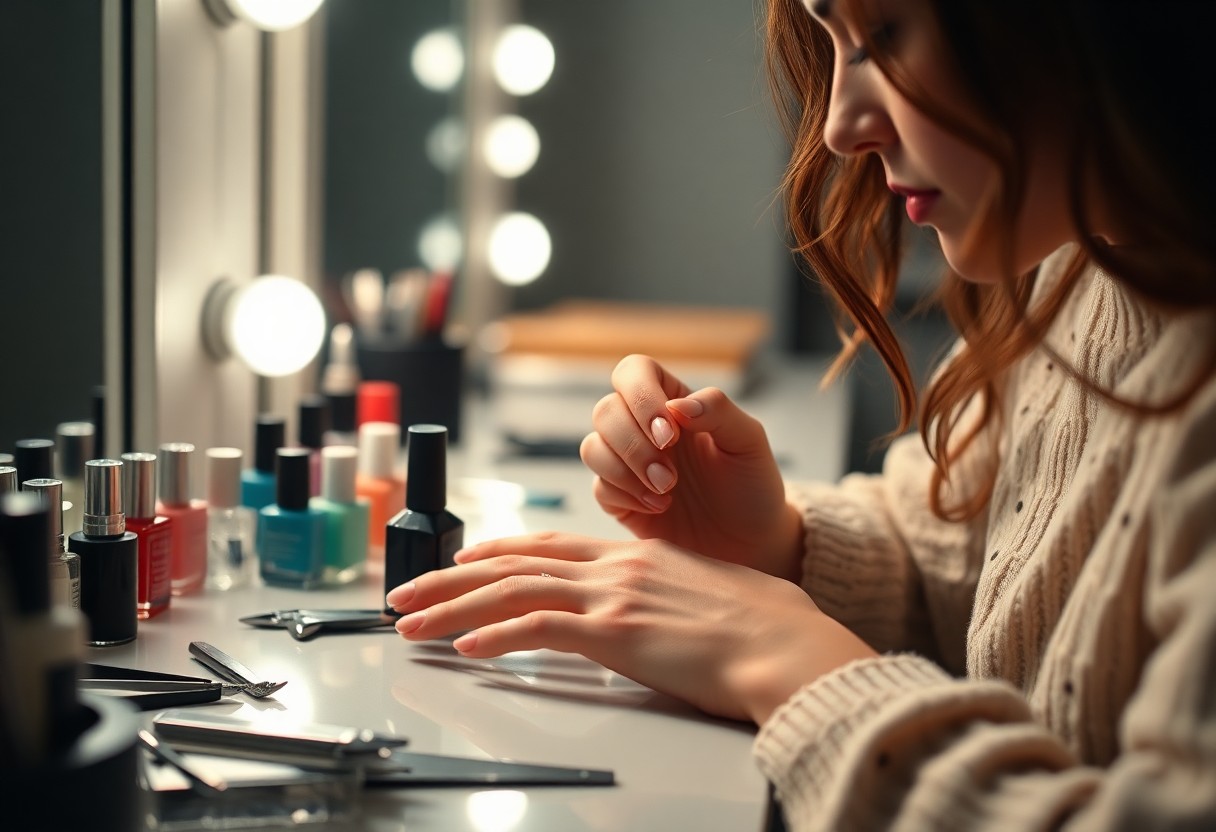
Assuming you’re ready to elevate your nail care routine, the first step in achieving a professional manicure at home is properly preparing your nails. This involves a few vital cleaning and grooming tasks that will set the foundation for a flawless finish. Taking the time to prep your nails not only enhances the appearance but also promotes nail health and longevity of your manicure.

Cleaning and Sanitizing

About maintaining hygiene, it’s vital to clean and sanitize your nails and tools before starting your manicure. Wash your hands thoroughly with soap and water, ensuring you clean under your nails and around your cuticles. Additionally, use disinfectant wipes or spray to sanitize any tools you’ll be using, such as clippers, files, and buffers, to maintain a clean workspace and prevent any potential infections.

Removing Old Nail Polish

Among the first tasks in your nail preparation is removing any old nail polish. This step not only helps in achieving a polished look but also ensures that no residue interferes with your new coat. Use a good quality nail polish remover that works swiftly and effectively to minimize damage to your nails.

Another effective way to remove old nail polish is to soak a cotton ball with your remover, then hold it against your nail for a few seconds before swiping it off. This helps to dissolve the polish, making it easier to wipe away. If you’re dealing with stubborn glitter or dark colors, you may need to repeat the process a couple of times. After the polish is removed, be sure to wash your hands to eliminate any leftover remover residue before moving on to the next steps of your manicure.

Shaping and Filing Your Nails

After you have cleaned and softened your nails, it’s time to shape and file them. Start by choosing a shape that complements your fingers and lifestyle. You can opt for square, oval, or almond-shaped nails, depending on your preference. Make sure to choose a high-quality nail file to avoid any damage. With precise movements, gently file your nails to achieve a clean and polished look.

Choosing the Right Shape

Along with considering your personal style, you should take into account the shape of your fingertips and your daily activities. Square shapes offer a modern look, while oval shapes provide a softer appearance. Almond shapes can give your nails an elegant, elongated effect. Think about what you feel most comfortable wearing as you choose your nail shape.

Filing Techniques for Best Results

To achieve the best results when filing your nails, use a gentle motion with your file. Always file in one direction rather than back and forth, as this can prevent splitting and breakage. Start at the outer edge of your nail and work inward, applying light pressure. It’s helpful to hold the file at a slight angle for smoother results.

Even small adjustments in your filing technique can significantly enhance the appearance of your manicure. Ensure that you hold your file steady and don’t rush the process. Using a buffer can help smooth out the edges and add a nice shine to your nails, giving you that salon-quality finish at home. By adopting these techniques, you’ll have nails that not only look great but are also healthier and less prone to damage.

Cuticle Care

Not only does proper cuticle care enhance the overall appearance of your manicure, but it also promotes healthy nail growth. Start by assessing the condition of your cuticles; neglecting them can lead to dryness or hangnails that compromise the beauty of your nails. By addressing your cuticles during your at-home manicure, you can achieve a polished, professional look that rivals any salon service.

Softening Cuticles

Beside providing a fresh look, softening your cuticles is necessary for a successful manicure. Start by soaking your fingers in warm, soapy water for approximately five to ten minutes. This helps to loosen any dead skin and makes the cuticles easier to manage. You can enhance this step by using a cuticle oil or cream for added moisture and nourishment.

Trimming and Pushing Back Cuticles

Above all, trimming and pushing back your cuticles is an important step in achieving beautifully manicured nails. After softening, gently push back your cuticles using a cuticle pusher, taking care not to apply too much pressure, as this can damage the nail bed.

Trimming excess cuticle can help maintain a neat appearance, but be sure to only remove what is necessary. Use a sterile cuticle nipper to snip away any dead skin. By pushing back the cuticles, you reveal more of your nail bed, contributing to the illusion of longer, more elegant nails. Always ensure that your tools are clean to avoid infections and maintain the health of your nails.

Applying Polish Like a Pro

Unlike the hasty application often seen in salons, a professional-looking manicure at home requires patience and precision. Begin by selecting high-quality nail polish to ensure a long-lasting finish. Apply in thin layers, allowing each layer to dry completely before the next, and don’t forget to cap your nail tips for a flawless look. Your attention to detail will give your nails that salon-fresh appearance.

Base Coat Application

To start your manicure off right, apply a base coat to protect your nails from staining and enhance the longevity of your polish. Use a brush to evenly coat each nail, starting from the base and sweeping up to the tips. This foundational step not only prevents colors from bleeding but also creates a smooth surface for the polish to adhere to.

Techniques for Smooth Polish Application

Smooth application is key to a professional-looking manicure. Using the right technique can make all the difference in achieving an even finish.

Even pressure is important when applying polish; this helps avoid streaks and bubbles. Start with a small amount of polish on your brush and begin at the center of the nail. Use a three-stroke method: one stroke down the middle and one on each side to evenly distribute the polish. If necessary, add more polish for coverage, but always avoid overloading the brush to maintain control and precision.

Finishing Touches

For the best results in your at-home manicure, pay attention to the finishing touches. A great way to ensure a professional look is to follow 10 Steps for a DIY Manicure that highlight all important components of a flawless finish.

Top Coat for a Flawless Finish

Against common perception, a top coat isn’t just for aesthetics; it also adds durability to your manicure. Apply a high-quality top coat to seal in your color and give your nails a professional shine.

Nail Care Maintenance Tips

To maintain your gorgeous manicure, follow these simple nail care tips:

  • Moisturize your hands regularly to keep the skin and nails hydrated.
  • Avoid using your nails as tools to prevent breakage.
  • Limit exposure to harsh chemicals and detergents.

Knowing how to care for your manicure will extend its lifespan and keep your nails looking fresh. Hence, consistent maintenance is key to nail health:

  • Keep cuticles soft with oil or cream to avoid hangnails.
  • Regularly file your nails to prevent splits and tears.
  • Consider using nail strengtheners if your nails are prone to breaking.

Knowing these tips allows you to maintain that polished DIY look effectively and enjoy beautiful nails for longer periods.

Summing up

Hence, by following these vital steps for a professional manicure at home, you can effectively achieve beautiful, well-groomed nails. Begin by preparing your nails and cuticles, file and buff them to your desired shape, apply polish carefully, and finish with a top coat for longevity. Be mindful of hygiene and keep your tools clean. With practice, your at-home manicure skills will improve, enabling you to maintain healthy, stunning nails without the need for salon visits.

FAQ

Q: What supplies do I need for a professional manicure at home?

A: To achieve a salon-quality manicure at home, you’ll need several key supplies. Gather nail clippers, a nail file, a buffer, cuticle remover, a cuticle pusher, hand lotion, base coat, nail polish, and top coat. Optionally, you may want a nail strengthener, nail art tools, and a bowl of warm water for soaking your hands.

Q: How should I prepare my nails before painting them?

A: Start by removing any old nail polish using a gentle remover. Next, wash your hands to remove dirt and oils. You can soak your nails in warm, soapy water for a few minutes to soften the cuticles, making them easier to manage. After soaking, gently push back your cuticles with a cuticle pusher, trim any excess skin carefully, and buff the nail surface lightly to ensure a smooth base for polish application.

Q: What technique should I use to apply nail polish evenly?

A: To apply nail polish evenly, first apply a thin coat of base coat to protect your nails. When painting the color, start by dipping your brush into the polish and wiping off the excess. Apply the polish in three strokes: one down the center and one on each side. This minimizes streaks and helps distribute the polish evenly. Allow each coat to dry before applying additional layers, and finish with a top coat for shine and protection.

Q: How can I prevent my manicure from chipping?

A: To prolong the life of your manicure and minimize chipping, apply a quality base coat before the nail polish and finish with a durable top coat. Additionally, avoid using your nails as tools, and try to keep your hands away from water for prolonged periods, as moisture can weaken the polish. Regularly reapply the top coat every few days to maintain shine and protection.

Q: What aftercare should I follow post-manicure?

A: After completing your manicure, hydrate your hands and nails with a nourishing lotion or cuticle oil to keep them moisturized. Avoid exposing your hands to harsh chemicals or excessive water right after your manicure to ensure that the polish sets properly. Additionally, try to wear gloves during household chores to protect your manicure and maintain its longevity.

Subtle Nail Art for Professional Settings

Just because you work in a professional environment doesn’t mean you have to sacrifice style. Subtle nail art can enhance your overall look while maintaining a polished appearance. From muted colors to delicate designs, you can express your personality without compromising professionalism. This blog post will guide you through the best choices for understated yet elegant nail art that complements your work attire, helping you feel confident and put-together. Discover how to incorporate tasteful nail art that aligns seamlessly with your professional image.

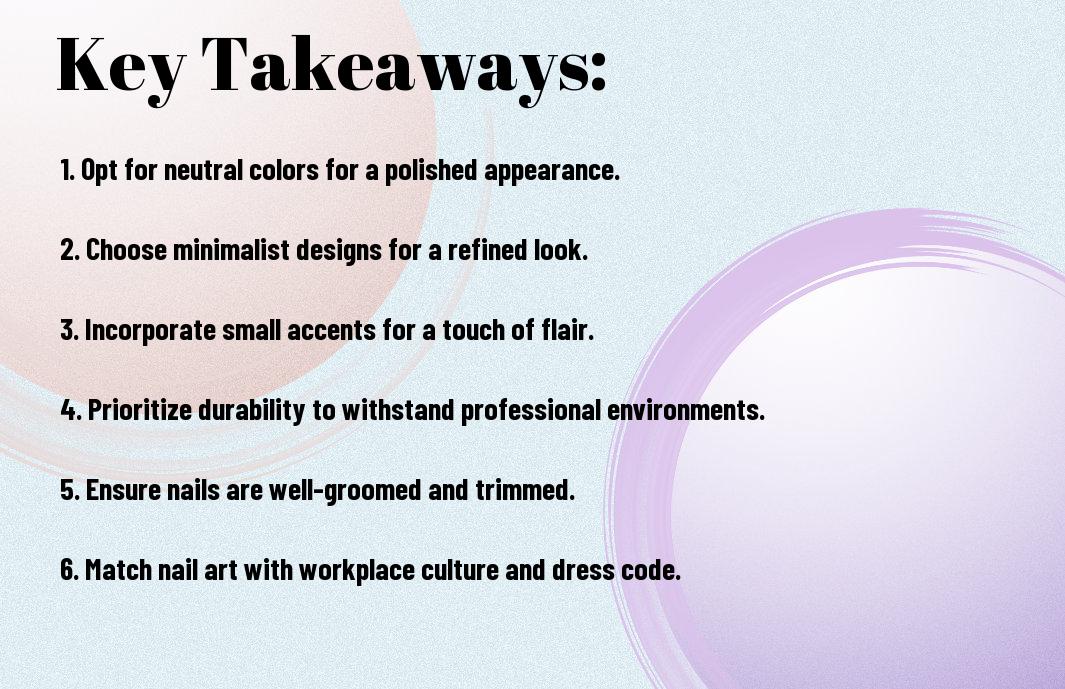
Key Takeaways:

  • Minimalist Designs: Opt for simple, understated patterns that enhance your appearance without being distracting.
  • Neutral Colors: Choose muted shades or classic colors like nude, pale pink, or soft gray for a polished and professional look.
  • Quality Over Quantity: Focus on well-groomed nails, ensuring they are clean and neatly shaped to convey professionalism.

Understanding Professional Nail Art

For those in professional settings, nail art can be a form of self-expression while still maintaining a polished appearance. Subtle designs, like soft colors or minimalistic patterns, can enhance your style without appearing unprofessional. For more inspiration, check out 15 Professional Nail Ideas That Are Still … – Byrdie.

The Importance of Subtle Designs

To stand out in a professional environment, subtle nail designs strike the right balance between elegance and individuality. They allow you to showcase your personality while adhering to workplace standards, ensuring your appearance aligns with the expectations of your role.

Choosing the Right Colors and Patterns

With the right colors and patterns, you can create a professional yet stylish look. Opt for hues that complement your wardrobe, like neutral shades or soft pastels, while patterns should remain understated to maintain a sophisticated appearance.

Patterns can be simple, such as a delicate accent nail, fine lines, or tiny geometric shapes. Avoid anything too flashy or intricate, as these can draw undue attention and detract from your professional image. Instead, focus on designs that are tasteful and enhance your overall look without overwhelming it.

Techniques for Subtle Nail Art

While achieving a sophisticated look, there are various techniques to incorporate subtle nail art within professional settings. You can explore soft color palettes, delicate designs, and minimalist approaches that maintain a polished appearance without being overbearing. Combining these elements allows you to express your style while still keeping your nails workplace-appropriate.

Minimalist Nail Designs

Along with the right colors, minimalist nail designs can make a powerful statement. These designs often utilize negative space, soft shades, or simple geometric patterns that keep your look elegant and refined. A few popular options include:

  • Creamy neutrals with a single accent
  • Thin stripes or dots in muted tones
  • Subtle metallic finishes on bare nails

Thou will find that less truly is more.

Classic French Tips with a Twist

Minimalist nail designs can also be paired with classic French tips but with a modern flair. You might opt for alternative colors, like pastels instead of white, or experiment with asymmetrical lines for a fresh take. Consider these elements:

  • Colored tips in muted or pastel shades
  • Using glitter or metallics for a subtle sparkle
  • Incorporating negative space into the French design

Thou will elevate your professional style with this stylish update.

Twist on classic French tips can really transform your look. You can change the traditional white end to pastel pink or soft lavender for an eye-catching contrast. Additionally, try creating varying width tips or mixing finishes like matte and glossy. You’ll also enjoy these options:

  • Single accent nails paired with French tips
  • Wavy or angled lines instead of straight tips
  • Adding tiny floral or abstract designs alongside

Thou will truly stand out while maintaining professionalism.

Nail Care and Preparation

Many professionals underestimate the importance of nail care and preparation before applying subtle nail art. Clean, well-maintained nails not only provide a perfect base for your designs but also reflect your attention to detail and professionalism. Invest time in nurturing your nails to ensure they look polished and healthy.

Essential Nail Care Tips

The following tips will help you maintain your nails:

  • Keep nails trimmed and shaped.
  • Moisturize your hands and cuticles regularly.
  • Use a base coat to strengthen your nails.
  • Avoid biting or peeling nails.

Perceiving your nails as a part of your professional image is key.

Preparing for Nail Art Application

At the onset of your nail art journey, the preparation phase is just as important as the design itself. You should start with clean, dry nails to ensure that the polish adheres properly. Remove any old nail polish, wash your hands thoroughly, and softly push back your cuticles. Applying a good base coat will protect your nails while providing an even canvas for the art. Consider using a nail file to shape your nails uniformly, as this enhances the final look of your nail designs.

Nail care should be approached as a routine, contributing to the overall health of your nails. Regular maintenance, such as buffing, trimming, and keeping your cuticles in check, can significantly improve the appearance of your nails. Additionally, using a high-quality base coat can protect your nails from staining, making your nail art last longer. Each step in preparation paves the way for flawless application, ensuring that your subtle nail art shines in any professional setting.

Choosing the Right Nail Products

Now that you understand the importance of subtle nail art in professional settings, it’s necessary to choose the right nail products that align with your style. Opt for neutral colors, muted tones, or soft pastels to ensure your nails look polished without drawing too much attention. Avoid any overly bright or extravagant designs that might conflict with a professional image. Instead, focus on high-quality products that provide longevity and a clean finish, enhancing your overall look while keeping it sophisticated.

Recommended Tools and Products

Choosing the right tools is as important as selecting the perfect polish. Invest in a high-quality base coat, top coat, and nail polish to ensure a smooth application and long-lasting effect. A good nail file, buffer, and cuticle pusher will also help you achieve a refined appearance. Additionally, look for ergonomic tools that make your nail care routine more comfortable and effective.

Long-lasting and Safe Nail Polishes

Products that emphasize durability and safety are ideal for professional settings. Look for polishes that are free from harmful chemicals, such as formaldehyde and toluene, to ensure healthier nails.

Nail polishes that are long-lasting offer you the convenience of fewer touch-ups throughout your busy work week. Brands that boast a chip-resistant formula often use advanced technology to enhance wear time without compromising shine or color quality. Make sure to select polishes labeled ‘non-toxic’ and ‘3-free’ or ‘5-free,’ as they provide a safer alternative for your health while still delivering stunning results. Your nails deserve care that aligns with your professional lifestyle, and these polishes offer just that.

Trends in Professional Nail Art

Unlike the bold designs often seen on social media, professional nail art has shifted towards subtler options that convey elegance and sophistication. This trend allows you to express your personality while maintaining a polished appearance, making it suitable for any work environment. Soft colors, minimalist designs, and delicate accents are now the go-to choices for those looking to enhance their nails without overpowering their professional look.

Current Subtle Nail Art Trends

Below are some of the current subtle nail art trends that you might consider. Techniques like negative space designs, micro-french tips, and muted pastel shades have gained popularity for their understated yet chic appeal. Natural nail shapes complemented by simple line art or small dots can also add a modern touch without being distracting. These designs allow for a refined aesthetic that fits seamlessly within professional settings.

Seasonal Considerations

The season can greatly influence your choice in nail art, as certain colors and styles resonate more during particular times of the year. Lighter pastel colors are often associated with spring, while deeper, muted tones give a warm feel in autumn. You can adapt your nail art to reflect seasonal changes without straying from a professional appearance.

Another factor to consider is how specific holidays or events might inspire your nail choices. Subtle hints of seasonal themes, like using soft gold accents for winter or floral motifs in summer, can keep your nails looking fresh and relevant. Balancing seasonal trends with a polished look ensures you stay professional while still enjoying creative expression in your nail art.

Maintenance and Touch-Ups

Keep your nail art looking polished and professional by establishing a regular maintenance routine. You should aim for touch-ups every two to three weeks, depending on your nail growth and the type of design you choose. This will prevent chipping and ensure your look stays refined and well-groomed, leaving a positive impression in your professional environment.

Keeping Your Nails Looking Fresh

Maintenance of your nail design requires consistent care. Make it a habit to apply a clear topcoat every few days to protect your nails and enhance their shine. Regularly moisturize your cuticles to keep them healthy and well-hydrated. This small effort goes a long way in maintaining a fresh and elegant appearance that complements your professional look.

When to Schedule Your Next Appointment

On average, it’s advisable to schedule your next appointment about every two to three weeks. This timing allows sufficient opportunity for your nails to grow while also keeping your manicure looking its best. Frequent appointments help address any chips or fading, ensuring that your nails consistently look neat and professional.

At the two-week mark, take a close look at your nails. If you begin to notice noticeable chip edges or fading color, it’s a good time to book your next appointment. Scheduling ahead can help you avoid any last-minute rush and ensure you maintain that polished look important in professional settings.

Final Words

Presently, adopting subtle nail art in professional settings can enhance your overall appearance while maintaining an appropriate and polished look. By choosing understated designs and harmonious colors, you can express your personality without compromising professionalism. Consider options like minimalist patterns or muted shades that complement your workplace attire. This approach allows you to stand out subtly, making a positive impression on colleagues and clients alike. With the right balance, your nails can reflect both creativity and professionalism, boosting your confidence in any environment.

FAQ

Q: What is subtle nail art, and why is it suitable for professional settings?

A: Subtle nail art refers to understated and elegant designs that enhance the appearance of nails without being distracting. This style is suitable for professional settings because it maintains a polished look while allowing individuals to express their personality. Designs might include soft colors, minimalistic patterns, or accent nails that are not overly bright or flashy.

Q: What types of colors are recommended for subtle nail art in the workplace?

A: For professional environments, neutral and muted colors tend to work best. Shades like soft pinks, pale nudes, gentle beiges, and light grays are excellent choices. These colors provide a sophisticated appearance while complementing various professional attires. Additionally, opting for pastel tones can add a touch of style without overwhelming your overall look.

Q: Can I incorporate nail art designs without violating office dress codes?

A: Yes, you can certainly incorporate nail art while adhering to office dress codes. Focus on simple designs like thin stripes, polka dots, or small geometric shapes that can be done in subtle colors. Stick to minimal embellishments, such as a single gem or matte finish, which can elevate your nails without breaching professional standards.

Q: How can I ensure my subtle nail art lasts in a professional setting?

A: To ensure your nail art remains intact, start with a good base coat to protect your nails and enhance longevity. Use high-quality nail polish and finish with a top coat to seal the design and add shine. Regular touch-ups as needed are important, along with dealing with any chips promptly to maintain a well-groomed appearance.

Q: How can I care for my nails while wearing subtle nail art?

A: Proper nail care is necessary, even when adorned with subtle art. Keep your nails hydrated by applying cuticle oil regularly. Avoid excessive exposure to water and harsh chemicals, which can weaken your nails and designs. Additionally, consider using gloves while doing household chores to protect your nails and ensure that your nail art remains pristine.

How to Become a Professional Nail Technician

Most aspiring beauty professionals seek a fulfilling career in the nail industry, where creativity and technical skills come together. To launch on this rewarding journey, you’ll need to understand the imperative steps to develop your expertise and build your client base. In this guide, you will learn about the necessary education, training, and certifications required to achieve your goal. For more insights, check out this resource on How to Become a Nail Technician.

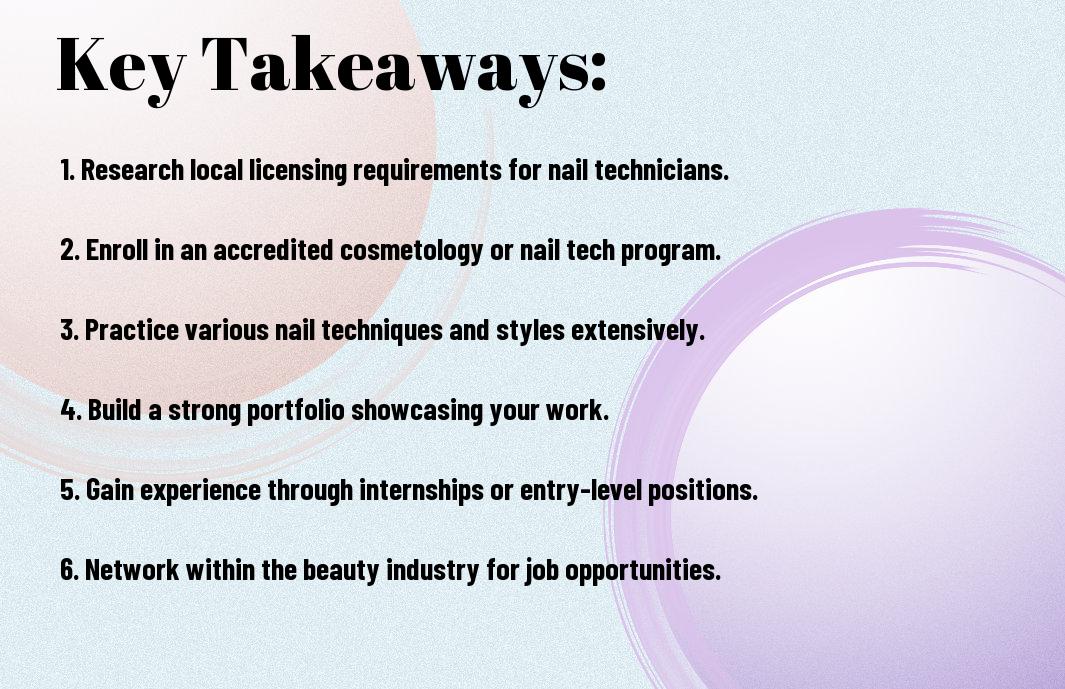
Key Takeaways:

  • Education and Training: Pursue a formal education in cosmetology or nail technology to acquire crucial skills and knowledge.
  • Licensing Requirements: Ensure you meet local licensing requirements, as most regions require certification to practice professionally.
  • Continued Learning: Stay updated with industry trends and techniques through ongoing education and workshops to enhance your expertise.

Understanding the Role of a Nail Technician

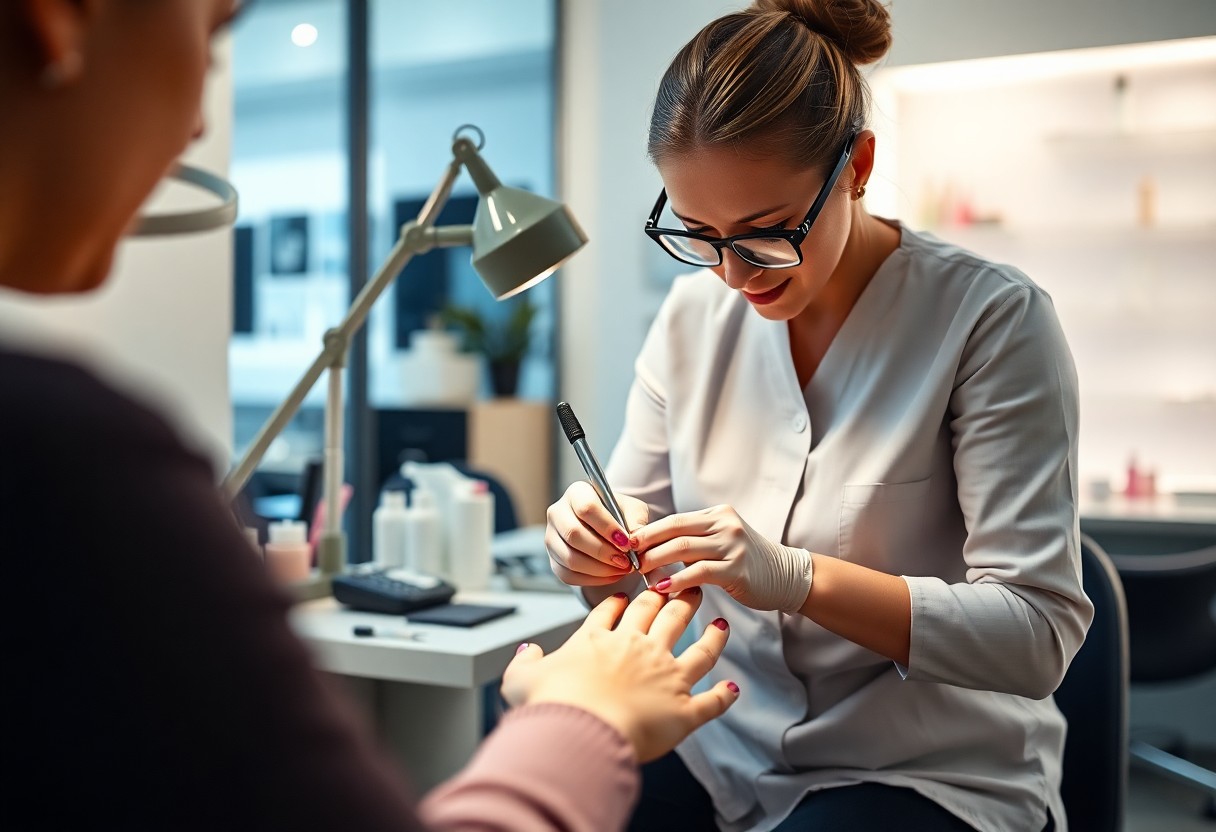
The role of a nail technician involves more than just applying polish or performing manicures and pedicures. As a professional, you are responsible for ensuring clients have a relaxing and enjoyable experience while providing services that enhance their nail health and appearance. This includes understanding various nail techniques, keeping up with industry trends, and maintaining a sanitized and organized workspace, all while building a rapport with your clients.

Skills Required

Any aspiring nail technician should develop strong dexterity and attention to detail to deliver precise nail art and grooming. You will also benefit from excellent communication skills to effectively understand your clients’ needs and preferences. A good sense of aesthetics is vital, as well as the ability to multitask in a fast-paced environment.

Daily Responsibilities

Behind the scenes, a nail technician has a variety of daily responsibilities that establish the foundation of your success in this profession. You will begin your day by preparing your workstation with the necessary tools and supplies while ensuring everything is sanitized and organized. Performing a range of services—from basic manicures and pedicures to more complex nail enhancements—will occupy your time, along with consulting with clients to understand their styles and preferences. You will also be responsible for maintaining cleanliness and managing appointment schedules to optimize client flow.

Also, you will need to keep your skills sharp and stay updated with the latest trends and techniques in the industry. Regular training, attending workshops, or even following other professionals on social media are great ways to enhance your skills. Engaging with your clientele will help you build a loyal customer base, as they will appreciate your commitment to providing excellent service while keeping their nails looking fresh and trendy.

Educational Pathways

Some of the most rewarding careers begin with the right educational background. To become a professional nail technician, you will need to pursue specific training programs that provide you with the important skills and knowledge. These programs can vary in length and content, so research options that align with your career goals and interests to ensure you receive the best training possible.

Nail Technician Programs

Across the nation, various nail technician programs are offered at cosmetology schools, vocational schools, and community colleges. These programs typically combine classroom instruction with hands-on training, covering topics such as nail anatomy, sanitation practices, and various nail art techniques. Choosing a program that meets your needs is important for your career development.

Licensing Requirements

An important step in your journey to becoming a nail technician is obtaining the necessary licenses. Most states require you to pass a licensing exam after completing an accredited training program. This ensures that you have the knowledge and competencies needed to practice safely and effectively.

In fact, the specific licensing requirements can vary significantly by state, including the number of training hours needed and the types of exams you must pass. It’s vital to familiarize yourself with your state’s regulations, as they may also require continuing education courses to maintain your license. Staying informed about these requirements will help you keep your credentials up to date and compliant with local laws.

Gaining Practical Experience

Many aspiring nail technicians find that gaining practical experience is vital for developing their skills and confidence. You can seek out opportunities that allow you to practice various nail techniques, learn about customer service, and become familiar with industry standards. The more hands-on experience you acquire, the better equipped you will be to meet client needs and succeed in your career.

Apprenticeships

At the start of your journey, seeking an apprenticeship with an established nail technician or salon can be incredibly beneficial. This hands-on experience allows you to learn directly from professionals in a real-world environment, gaining insights that formal education may not provide. In addition, you will develop a strong foundation in vital techniques, client interactions, and the daily operations of a nail salon.

Volunteering Opportunities

With some creativity, you can discover volunteering opportunities that help build your experience while contributing positively to your community. Look for local beauty schools or wellness centers that may accept volunteers for their events or workshops.

And volunteering not only enhances your technical skills but also expands your network within the industry. You can meet other professionals and potential clients, gaining valuable insights and recommendations that could help you in pursuing your career. By contributing to events or charity drives, you showcase your willingness to learn and your dedication to the craft, making you a more attractive candidate to future employers.

Building Your Portfolio

For aspiring nail technicians, building a strong portfolio is crucial as it showcases your skills and creativity. A well-curated portfolio not only highlights your best work but also reflects your unique style and expertise in various nail techniques. By consistently adding new samples, you can demonstrate your growth and versatility, making you more appealing to potential clients and employers.

Importance of a Portfolio

By presenting your portfolio, you create a visual resume that speaks to your proficiency as a nail technician. It serves as a powerful tool to attract clients and establish your brand in a competitive market. A thoughtfully arranged collection of your work can distinguish you from others in the field.

Tips for Showcasing Your Work

Your portfolio should be an engaging representation of your skills and creativity. Consider these tips for showcasing your work effectively:

  • Include high-quality images of your nail designs.
  • Organize your portfolio by technique, style, or occasion.
  • Update it regularly with new and diverse content.
  • Feature before-and-after photos to highlight transformations.
  • Perceiving your portfolio as a dynamic and evolving showcase will keep it relevant and appealing.

Portfolio creation involves more than just collecting photographs; it’s about telling your story. Select images that represent your best work, and be sure to include various styles such as artistic designs, classic manicures, and trendy nail art. Display your portfolio in both digital and physical formats to reach a wider audience.

  • Consider creating an online gallery or social media profiles to showcase your work.
  • Attend nail shows and competitions to network and gain inspiration for your portfolio.
  • Encourage clients to provide feedback or testimonials that can enhance your project.
  • Keep educational information about each design in your portfolio for context.
  • Perceiving your portfolio as a living document will help you adapt and grow as a nail technician.

Networking in the Industry

Not only is networking vital for your growth as a professional nail technician, but it also opens the door to new opportunities and valuable relationships. Engaging with others in the industry can enhance your skills and provide you with the support you need to thrive. By getting involved in various networking events, you’ll establish a solid foundation for your career and stay updated on the latest trends and techniques.

Building Connections

Any successful nail technician knows the importance of building connections in the beauty industry. Attend trade shows, workshops, and local events to meet fellow professionals, educators, and potential clients. By engaging with others and sharing your knowledge, you create a network that can lead to collaborations, referrals, and mentorship opportunities.

Joining Professional Organizations

Joining professional organizations can significantly boost your visibility and credibility within the nail industry. Membership often provides access to exclusive resources, training, and networking events that can enhance your skills and industry knowledge.

Plus, being part of a professional organization not only connects you with other skilled technicians but also provides opportunities for education and growth. You’ll gain access to workshops, certifications, and the latest industry news, allowing you to stay ahead in your field. Additionally, participation in these organizations can help you build a reputable professional profile, making you more appealing to potential clients and employers.

Staying Current with Trends

Once again, staying current with trends is necessary for your success as a professional nail technician. The beauty industry is ever-evolving, and clients appreciate technicians who can provide fresh and trendy nail designs. Engaging with social media platforms, beauty blogs, and nail art forums will keep you informed about the latest styles, colors, and techniques. Consistently updating your skills and knowledge will not only enhance your creativity but also expand your client base, as customers are always looking for the next big trend.

Continuing Education

On your journey to becoming a sought-after nail technician, continuing education is key. Taking additional courses or workshops will enable you to refine your skills and learn about new techniques, products, and safety standards. Many beauty schools and professional organizations offer specialized training programs, webinars, and hands-on events. These opportunities not only deepen your knowledge but also bolster your confidence, allowing you to provide the best service possible to your clients.

Following Industry Innovations

Trends in the nail industry are often influenced by innovations in products and techniques. Staying up-to-date with these developments ensures you remain competitive and can offer your clients the latest options. You’ll find it beneficial to subscribe to trade magazines, follow relevant influencers on social media, and attend industry conventions showcasing advancements in nail technology.

For instance, the introduction of gel and dip powders has transformed the way nails are done. Understanding the differences between products—like traditional polish versus gel—allows you to recommend the best options for your clients’ lifestyles and preferences. Embracing these innovative techniques not only enhances your service offerings but also positions you as a knowledgeable professional, gaining your clients’ trust and loyalty.

Final Words

As a reminder, initiateing on your journey to become a professional nail technician requires dedication, education, and practice. By obtaining the necessary certifications, honing your skills, and staying updated on industry trends, you will enhance your expertise and confidence. Establishing a network within the beauty community will also help you grow your clientele. Make a commitment to excellence in your craft, and you’ll not only find success but also fulfillment in helping clients look and feel their best.

FAQ

Q: What are the basic requirements to become a professional nail technician?

A: To become a professional nail technician, you typically need to complete a high school diploma or GED. Following that, you must enroll in a state-approved nail technician program, which can take between 300 to 600 hours, depending on your location. After completing the program, you will need to pass a licensing exam to practice legally in your state.

Q: What skills are important for a successful nail technician?

A: Successful nail technicians possess a variety of skills, including attention to detail, creativity, and strong interpersonal skills to interact with clients. Furthermore, technical skills such as mastering nail art techniques, manicures, pedicures, and knowledge of sanitation practices are important. Being able to manage time effectively and stay organized in a busy salon environment is also important.

Q: How can I find a nail technician program near me?

A: To find a nail technician program nearby, you can start by researching beauty schools or vocational schools in your area that offer nail technology courses. Websites like the National Accrediting Commission of Career Arts and Sciences (NACCAS) can help you find accredited programs. Additionally, checking online reviews and ratings can provide insight into the quality of education you can expect.

Q: What certifications or continuing education should I pursue after becoming licensed?

A: After obtaining your initial license, you may want to pursue additional certifications in specialized areas such as acrylic nails, gel nails, or nail art techniques to enhance your skill set. Attending workshops, trade shows, and online courses can also keep you updated on the latest trends and techniques in the industry, which can be beneficial for your career advancement.

Q: What are the common career paths for a professional nail technician?

A: After becoming a licensed nail technician, you can pursue several career paths. Many start working in salons or spas, while others may choose to build their clientele as freelancers or open their own nail salons. Some experienced technicians also become educators, teaching upcoming professionals in beauty schools. Additionally, opportunities exist in product sales for nail care brands or joining professional competition circuits to showcase your skills.

Skip to content